Break-Even Calculator
How many sales do you need before your business stops losing money? That single number changes everything. It tells you whether your prices are high enough, whether your costs are too heavy, and how much risk you are really taking. That number is called the break even point, and guessing it is one of the most common reasons small businesses fail.
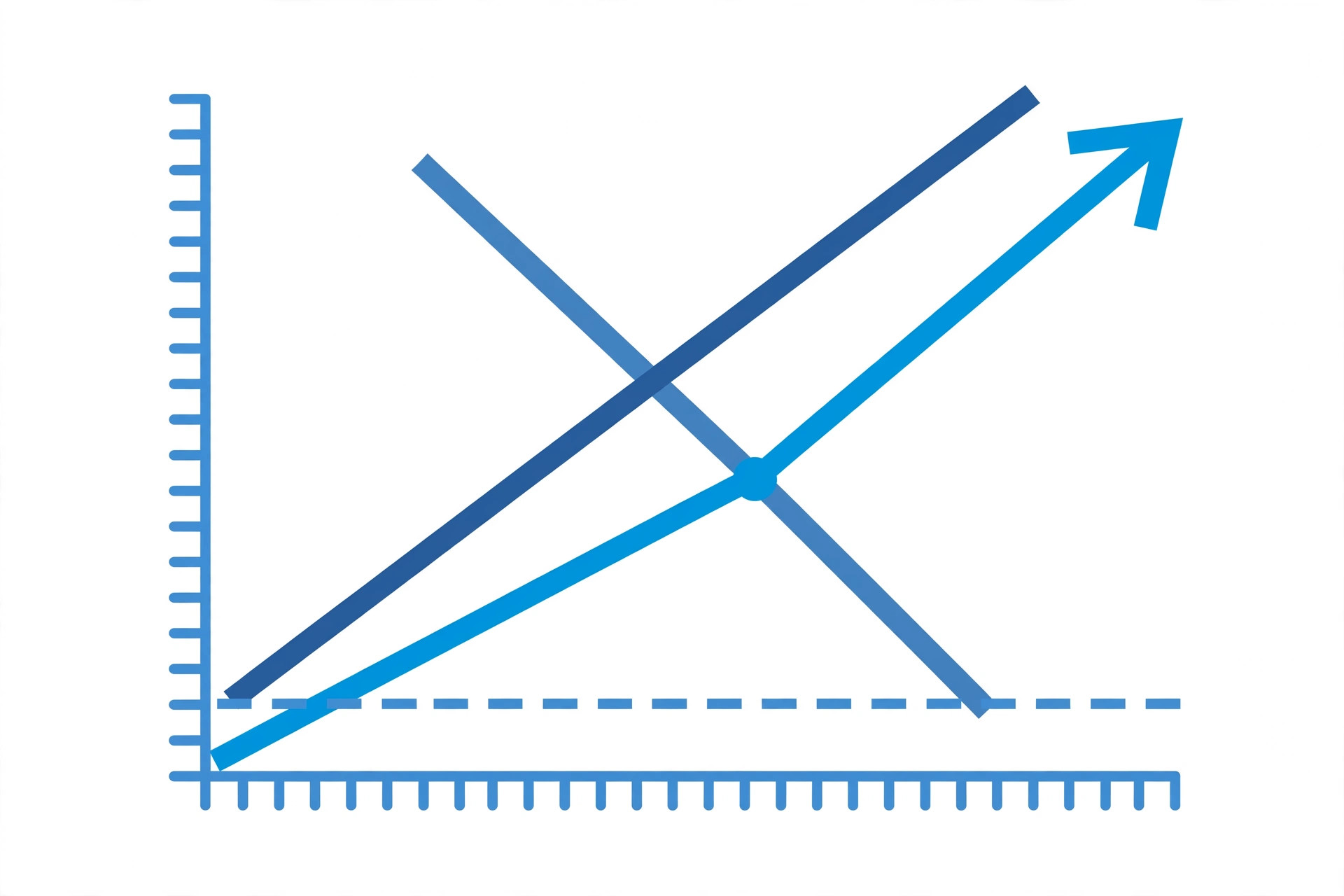
Think of the break even point as the finish line of your monthly race. Everything before it is effort, everything after it is reward. Our calculator draws that finish line for you with precision. Enter three numbers and you will see exactly how far you need to run this month, which makes every sales call, every ad dollar, and every pricing decision more purposeful.
Our free Break-Even Calculator at A Tool Today gives you that number in seconds. Enter your fixed costs, your variable cost per unit, and your selling price. The tool instantly shows how many units you must sell to cover all your costs, and how much revenue that takes. No spreadsheets, no formulas, no math degree needed. Whether you sell handmade candles, run a cafe, or offer a monthly subscription, this calculator turns your costs into a clear sales target you can chase with confidence. Let us find your magic number together.
How to Use Break-Even Calculator
Using the Break-Even Calculator takes less than a minute. Gather your cost numbers first, then follow these steps.
- Enter your total fixed costs. Fixed costs stay the same no matter how much you sell. Rent, salaries, insurance, and software subscriptions all count. Add them up for one month, or one year, and type the total into the tool. Make sure the time period matches the sales target you want. Tip: be thorough. People often forget small subscriptions and annual fees, so check your bank statements for the full picture before you enter the number.
- Enter your variable cost per unit. Variable costs change with every sale. If you sell coffee, this is the cost of beans, milk, cups and lids for one cup. If you sell a handmade product, it is materials and packaging for one item. If you sell a service, it is the cost of delivering it once. Tip: include packaging and payment processing fees. A 3 percent card fee quietly eats your margin if you ignore it, and small costs add up fast across hundreds of sales.
- Enter your selling price per unit. This is what the customer actually pays for one item. Use your real current price, not the price you hope to charge one day. If you run frequent discounts, use your average price after discounts rather than your list price. Tip: be honest here. An optimistic price gives you a comforting break even point that has nothing to do with reality.
- Read your break even point in units. The calculator divides your fixed costs by your contribution margin, which is your price minus your variable cost. The result is the exact number of units you must sell to break even. Sell one more unit and you are in profit. Tip: write this number on a sticky note and put it where you see it every day. A visible target keeps you and your team focused.
- Read your break even point in revenue. The tool also shows the sales revenue needed to break even. This view is useful when you sell many different products, because counting units gets complicated. If the revenue target is 8,000 dollars a month, you know exactly what your sales efforts must deliver. Tip: compare this number to your actual monthly revenue. The gap between them is your growth challenge in one clear figure.
- Test different scenarios. Change your price or your costs and watch the break even point move. What happens if you raise prices by 10 percent? What if rent goes up next year? What if you find a cheaper supplier? This is where the real power of the tool lives. Tip: run three scenarios, your current plan, a cautious plan, and an optimistic plan. Save the results and include them in your business plan to show you have thought through the risks.
Key Features
Our Break-Even Calculator is designed to give you answers, not homework. Here is what it does for you.
- Instant break even calculation. See your break even point in both units and revenue the moment you enter your numbers. No waiting, no submit button, no complicated setup.
- Contribution margin display. Understand exactly how much each sale contributes to covering your fixed costs. This number is the heart of every pricing decision you will ever make.
- Scenario testing. Change prices or costs and compare results side by side. Test best case and worst case plans before you commit real money.
- Currency friendly inputs. Works with any currency, so businesses anywhere in the world can use it without conversion headaches.
- No signup needed. Open the calculator and start entering numbers right away. There are no accounts, no trials, and no upsells.
- Mobile ready design. Calculate on your phone while talking to suppliers, partners, or your accountant. Big decisions do not always happen at a desk.
- Printable results. Keep a clean summary of your break even analysis for your business plan, loan application, or investor pitch.
- Free forever. Every feature is free with no limits and no hidden upgrades. Run as many calculations as you like.
Why Use Our Break-Even Calculator?
Even experienced owners benefit from a fresh calculation. Costs creep up silently over the years. A supplier raises prices here, a subscription renews there, and suddenly the old break even point is fiction. A sixty second recalculation each quarter keeps your target honest and your plans grounded in today’s numbers, not last year’s.
Most business owners work hard every day without knowing their magic number. They feel busy, sales are coming in, but the bank balance barely moves. The break even point explains why. Until you cross it, every sale is just paying off costs. After you cross it, every sale builds profit. Knowing exactly where that line sits turns vague worry into a concrete target that you can plan around and celebrate when you pass it.
Consider a small bakery. Rent, wages and insurance cost 4,000 dollars a month. Each cake costs 6 dollars in ingredients and packaging, and sells for 20 dollars. The break even point is 286 cakes a month, or about 10 cakes a day. Suddenly the owner knows her goal. Ten cakes a day means survival. Eleven means growth. She can plan her marketing, her staffing, and her baking schedule around that number instead of guessing. That is what our calculator gives you in under a minute, a number that organizes your entire business.
Lenders and investors love the break even point too. A loan application that says we break even at 286 units a month looks serious and prepared. A plan that says we hope sales will be good does not inspire confidence. Because the tool is free and online, there is no excuse to skip this step. A Tool Today puts professional level planning in your pocket, and your future profits will thank you for it.
Tips for Best Results
Get the most accurate break even point by following these practical tips.
- Calculate monthly and yearly. A monthly break even keeps you focused week to week, while a yearly one smooths out seasonal swings. Use both views for the full picture, especially if your sales rise and fall with the seasons.
- Recalculate after every big change. New rent, a new supplier, a new price, all of these move your break even point. Update the numbers the same week the change happens, not months later when the surprise shows up in your accounts.
- Watch your variable costs closely. Small increases in materials, shipping, or payment fees quietly push your break even point higher. Review supplier prices every quarter and renegotiate where you can.
- Do not forget your own salary. Many founders pay themselves last or not at all. Include a fair salary in your fixed costs so your break even point reflects a business that is actually sustainable for you.
- Use it before launching anything new. A new product, a new location, or a new service each deserves its own break even calculation. Never launch on hope alone when the math takes sixty seconds.
- Aim beyond break even. Breaking even means zero profit, which is survival, not success. Set your real sales target at least 20 to 30 percent above break even so the business actually grows and builds a safety cushion.
- Know your margin of safety. Your margin of safety is the gap between your actual sales and your break even point. If you sell 400 units and break even at 300, your margin of safety is 100 units. A bigger gap means a safer business. Track it monthly to see whether your cushion is growing or shrinking.
- Reduce fixed costs before raising prices. Cutting fixed costs lowers your break even point permanently and makes every future month easier. Renegotiate rent, cancel unused software, and review insurance yearly. These quiet savings often beat a risky price increase.
- Set team targets above break even. Share the break even number with your team, then set the official target higher. When everyone knows the survival line and the growth line, daily effort connects to a purpose they can feel.
Frequently Asked Questions
What is the break even point?
The break even point is the level of sales where your total revenue exactly covers your total costs. Below it you lose money, above it you make profit. It can be measured in units sold or in sales revenue. Every business has one, and knowing yours is the first step to pricing and planning with confidence instead of hope.
How is the break even point calculated?
The formula is simple. Subtract your variable cost per unit from your selling price to get the contribution margin. Then divide your fixed costs by that margin. The result is the number of units you must sell to break even. Our calculator does this math for you instantly, so you never need to touch the formula yourself.
Complete List of All Free Online Tools
Browse the full directory of 450+ free tools. Click any tool name to use it instantly - no signup required.
| # | Tool Name | Category |
|---|---|---|
| 1 | A B Test Significance Calculator | Calculators & Converters |
| 2 | Acronym Generator | Utility Tools |
| 3 | Ad Copy Generator | Utility Tools |
| 4 | Add Page Numbers To PDF | PDF Tools |
| 5 | Add Subtitles To Video | Media Tools |
| 6 | Add Subtract Days Calculator | Calculators & Converters |
| 7 | Age Calculator | Calculators & Converters |
| 8 | Angle Converter | Calculators & Converters |
| 9 | API Request Tester | Utility Tools |
| 10 | Area Converter | Calculators & Converters |
| 11 | Article Rewriter | Utility Tools |
| 12 | Audio Converter | Calculators & Converters |
| 13 | Audio Merger | Media Tools |
| 14 | Audio Metadata Editor | Media Tools |
| 15 | Audio Pitch Changer | Media Tools |
| 16 | Audio Speed Changer | Media Tools |
| 17 | Audio To Text Converter | Calculators & Converters |
| 18 | Audio Trimmer | Media Tools |
| 19 | Avatar Maker | Utility Tools |
| 20 | Background Remover | Utility Tools |
| 21 | Backlink Checker | SEO Tools |
| 22 | Banner Maker | Utility Tools |
| 23 | Barcode Generator | Developer Tools |
| 24 | Base64 Encoder Decoder | Developer Tools |
| 25 | Bass Booster | Utility Tools |
| 26 | Bibliography Generator | Utility Tools |
| 27 | Bill Splitter | Utility Tools |
| 28 | Binary Converter | Calculators & Converters |
| 29 | Binary To Text Converter | Calculators & Converters |
| 30 | Birthday Countdown | Date & Time Tools |
| 31 | Bmi Calculator | Calculators & Converters |
| 32 | Bmr Calculator | Calculators & Converters |
| 33 | Body Fat Calculator | Calculators & Converters |
| 34 | Body Surface Area Calculator | Calculators & Converters |
| 35 | Book Title Generator | Utility Tools |
| 36 | Brand Color Finder | Color Tools |
| 37 | Brand Kit Generator | Utility Tools |
| 38 | Break Even Calculator | Calculators & Converters |
| 39 | Broken Link Checker | Utility Tools |
| 40 | Browser Info Checker | Utility Tools |
| 41 | Budget Planner | Utility Tools |
| 42 | Business Card Designer | Utility Tools |
| 43 | Business Card Maker | Utility Tools |
| 44 | Business Days Calculator | Calculators & Converters |
| 45 | Business Name Generator | Utility Tools |
| 46 | Business Proposal Generator | Utility Tools |
| 47 | Button Generator | Utility Tools |
| 48 | Buyer Persona Generator | Utility Tools |
| 49 | Calorie Calculator | Calculators & Converters |
| 50 | Captcha Generator | Utility Tools |
What are fixed and variable costs?
Fixed costs stay the same regardless of how much you sell, like rent, salaries and insurance. Variable costs change with each sale, like materials, packaging and card fees. Knowing which costs are which is the key to an accurate break even calculation. When in doubt, ask yourself whether the cost would disappear if you sold nothing this month.
Can I use this calculator for services?
Yes. Instead of units, think in billable hours or completed projects. Your variable cost per hour might be subcontractor pay, travel costs, or materials used on site. Enter your hourly rate as the price, and the calculator shows how many billable hours you need each month to break even.
What if my break even point looks impossible?
That is actually useful information, not bad news. It means your current mix of prices and costs cannot work. You have three levers to pull, raise prices, cut costs, or increase sales volume. Test each option in the calculator until the number becomes realistic. Better to learn this now than after a year of losses.
Is the Break-Even Calculator really free?
Yes. Every calculation is free with no signup and no limits. Run as many scenarios as you like, as often as you like. A Tool Today keeps business tools free for everyone, from first time founders to growing companies.
How often should I recalculate my break even point?
Recalculate whenever your costs or prices change, and review it at least once a quarter as a habit. Seasonal businesses should also calculate a separate break even for peak and slow months, since costs and prices often shift with the season.
What is contribution margin and why does it matter?
Contribution margin is your selling price minus your variable cost per unit. It is the amount each sale contributes toward covering your fixed costs. If you sell a 20 dollar cake that costs 6 dollars to make, your contribution margin is 14 dollars. Every cake sold puts 14 dollars toward rent and wages. Once fixed costs are covered, the full contribution margin becomes profit. A higher contribution margin means you break even faster, which is why raising prices or cutting variable costs has such a powerful effect on your business.
Table of Contents
What is Break Even Calculator?
The break even calculator is a free online tool that helps you with break even calculator tasks quickly and accurately. Our break even calculator is designed to be simple, fast, and reliable. Whether you need a break even calculator for personal use or professional work, this free break even calculator delivers instant results without any signup or download required.
How to Use the Break Even Calculator
Using our break even calculator is easy. Simply open the break even calculator tool above, enter your input, and get instant results. The break even calculator processes everything in your browser for maximum privacy and speed. No technical knowledge is needed to use this break even calculator effectively.
Benefits of Using Our Break Even Calculator
Our free break even calculator offers many advantages. It is completely free to use, requires no registration, works on all devices, and provides accurate results instantly. The break even calculator is updated regularly to ensure the best performance. For more information about break even calculator, you can Learn more about break even calculator on Wikipedia.
Frequently Asked Questions About Break Even Calculator
Is the break even calculator really free? Yes, our break even calculator is 100% free with no hidden costs or premium tiers.
Do I need to create an account to use the break even calculator? No, the break even calculator works instantly without any signup or login required.