Introduction
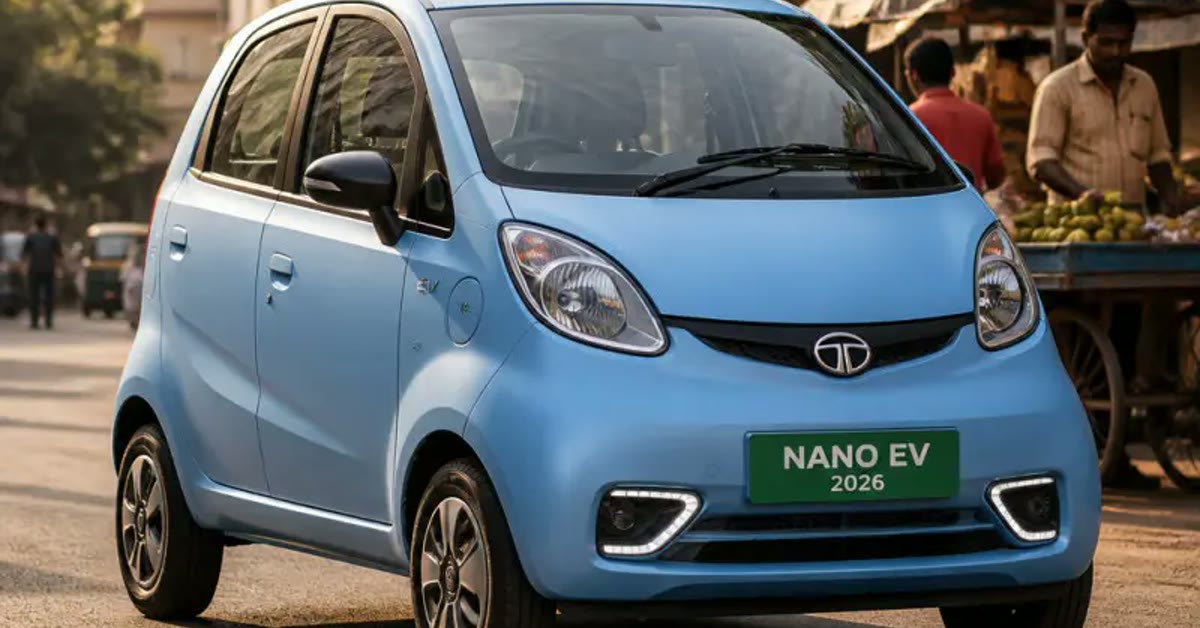
The tata nano ev new model is one of the most talked-about ideas in India’s electric car market. The original Nano won hearts as the world’s cheapest car, and an electric version promises the same idea for the EV age, a tiny, affordable car for city driving. If Tata launches it at the expected price, it could bring electric mobility to buyers who find current EVs too expensive. That is why so many people search for tata nano ev new model before they start. That is why so many people search for tata nano ev new model before they start.
A small EV makes sense for Indian cities. Short daily commutes, tight parking, and heavy traffic all favour a compact car with a modest battery and low running costs. The Nano EV would suit first-time buyers, students, and families looking for a second car for city errands. The idea of a small, affordable electric car appeals to city drivers who want low running costs and easy parking.
A practical range for daily trips, a simple interior, and a price that stays within reach would make the Nano EV a strong choice for first time electric buyers. Until official details arrive, it helps to follow trusted news and to compare the rumours with what the company actually confirms. Take your time with tata nano ev new model and the results will speak for themselves.
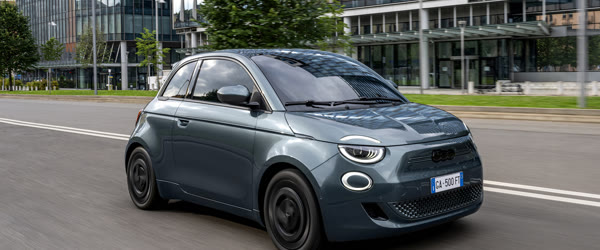
Table of Contents
- Quick Take
- Pro Tips for Tata Nano EV New Model
- Tata Nano EV Expected Range and Battery
- Tata Nano EV Expected Price and Variants
- Design and Features to Expect
- Charging and Daily Running Costs
- Tata Nano EV Compared with Other Small EVs
- Who Should Buy the Tata Nano EV
- Common Mistakes to Avoid When Waiting for a New EV
- Frequently Asked Questions
- Final Words
Quick Take
This article summarises expected range, features, price, and launch news. Reports suggest a practical city range, a simple modern interior, and a price aimed at budget buyers, though Tata has not confirmed final figures. Treat all numbers as expectations until the official launch, and watch for the company’s announcements for confirmed specifications and booking dates.

Pro Tips for Tata Nano EV New Model
- Wait for the official launch before booking, since early reports often differ from final specifications.
- Compare running costs with petrol cars in your city, including home charging and electricity rates.
- Check charging options near your home, because easy charging matters more than maximum range for city use.
Tata Nano EV Expected Range and Battery
The most common question about the tata nano ev new model is how far it will go on one charge. No official figure has been confirmed, so every number in circulation should be treated as an expectation rather than a fact. Reports and discussions in the EV community generally point to a small battery sized for city use, because a compact city car does not need a large, heavy, expensive battery pack. The sensible expectation is a practical city range that covers daily commuting, school runs, market trips, and office travel, with a charge at home overnight.
A city-focused range makes sense for the Nano EV for three reasons. First, most urban drivers in India cover short daily distances, often well under fifty kilometres a day, so a modest range still leaves a comfortable buffer. Second, a smaller battery keeps the price down, which is the whole point of a Nano. Third, a lighter battery improves efficiency, so the car uses less electricity per kilometre and costs less to run. Buyers who regularly drive long highway distances would be better served by a larger EV, but for city life a small battery is a practical trade.
Battery size also affects charging time. A small battery fills faster, even on a regular home socket, which matters for buyers who do not have access to a fast charger. Overnight home charging is likely to be the main habit for Nano EV owners, just as it is for most small EV owners today. If you can park near a plug point at home or at work, a small EV becomes very easy to live with, because the car is full every morning without any visit to a fuel station.
When official specifications arrive, compare the claimed range with the real-world range. Claimed figures are measured in test conditions, and real driving with air conditioning, traffic, and short trips usually returns a lower number. A good rule is to expect around seventy to eighty percent of the claimed figure in everyday city use. Even with that discount, a city EV with a modest claimed range should handle normal daily driving comfortably, provided you charge regularly rather than waiting for the battery to run low.
Tata Nano EV Expected Price and Variants
Price is where the Nano EV could change the market. The original Nano became famous as an affordable car, and an electric Nano would need a price that undercuts the cheapest EVs on sale today to repeat that story. Reports suggest Tata would aim the car at budget buyers, first-time car owners, and families adding a second car. Until Tata announces a price, treat every figure online as a guess, and be careful with videos and posts that present rumours as confirmed news.
If the car does arrive at a budget price, the variant strategy will matter. Small EVs are often sold in two or three variants with different battery sizes and feature levels. A base variant with a smaller battery and steel wheels would suit buyers who want the lowest price, while a higher variant might add a touchscreen, connected features, and a slightly larger battery. Think about which variant fits your driving before booking, because paying extra for a bigger battery only makes sense if your daily distance actually needs it.
Also consider the total cost, not just the showroom price. Electric cars usually cost more to buy than a similar petrol car but much less to run. Electricity per kilometre is a fraction of petrol cost, and EVs have fewer moving parts, so routine maintenance is usually simpler and cheaper. Over three to five years of city driving, the running-cost saving can be significant. Do the maths for your own daily distance, electricity rate, and expected ownership period before deciding, and include the cost of a home charging point if you need one installed.
Government incentives can change the final price too. EV policies, subsidies, and road tax benefits vary by state and change over time, so check the current rules in your state when the car is actually launched. A subsidy that exists today may not exist at launch, and a price quoted in a report may or may not include it. Always ask the dealer for the on-road price with every charge listed, and compare it with the on-road price of rival small cars before you commit.
Design and Features to Expect
The Nano was always about clever packaging, and an EV version would likely keep that idea. Expect a tall, compact body with upright seating, good headroom, and a surprisingly roomy cabin for its size. The flat floor of an EV platform helps cabin space, because there is no exhaust tunnel running through the middle. For city parking, the tiny footprint is the biggest advantage, since the car fits into gaps that larger cars cannot use. Start with the basics of tata nano ev new model, then build from there.
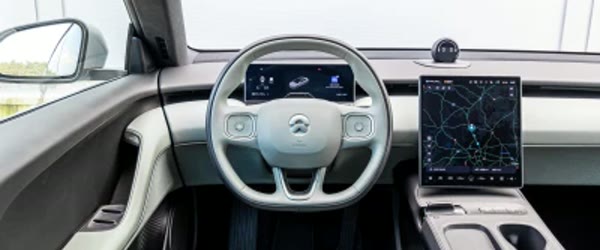
Inside, expect a simple, modern cabin rather than a luxury one. A digital instrument display, a touchscreen for music and phone connection, and steering-mounted controls would be reasonable expectations for a modern budget EV. The original Nano was criticised for feeling too basic, so Tata would likely aim higher this time with better materials and a cleaner dashboard design. Still, keep expectations realistic. This is meant to be an affordable car, so premium materials and large screens are unlikely. That small extra effort with tata nano ev new model pays off in the final result.
Safety is another area to watch. Modern buyers expect at least dual airbags, ABS, and a strong body structure, and safety ratings now influence many purchase decisions. When the car is launched, check its safety rating and the safety kit on each variant rather than assuming every variant is equal. A budget car that scores well on safety would be a strong selling point, and it is worth waiting for the rating before booking if safety is a priority for your family. Once you understand tata nano ev new model, the rest becomes much easier.
The exterior design will probably keep the friendly, rounded character of the Nano while adding EV details such as a closed grille, aero-friendly wheels, and blue or green accents. Small cars age well when the design is simple, and the Nano shape has always been recognisable. A fresh EV look with LED lighting would help the car feel modern without losing the character that made the name famous. Many readers find that tata nano ev new model works better than expected.
Charging and Daily Running Costs
Charging is the part of EV ownership that new buyers worry about most, and for a small city EV the answer is usually simple. Home charging overnight is the cheapest and most convenient option. A regular domestic socket can charge a small battery overnight, while a dedicated wall box charges faster and is safer for daily use. If you live in an apartment, check with your housing society about installing a charging point before you buy, because this single step can decide whether an EV is practical for you. The key with tata nano ev new model is to stay clear and specific.
Public charging matters less for a city car than for a highway car, but it is still worth checking the charging map in your area. Look for chargers near your home, your office, and the malls or markets you visit often. Fast chargers can top up a small battery quickly during a shopping trip, which removes most range worry for city driving. As the charging network grows, the practical range of a small EV keeps improving without any change to the car itself. Done carefully, tata nano ev new model saves both time and effort.
Running costs are where the Nano EV would shine. Electricity is far cheaper per kilometre than petrol, and city driving with its stop-start traffic actually suits EVs, because regenerative braking recovers energy every time you slow down. Tyres, brakes, and wipers are the main consumables, and brake pads often last longer on EVs because the motor does much of the slowing. Over a year of city commuting, the fuel saving alone can be substantial, and it grows if petrol prices rise. Keep these basics of tata nano ev new model in mind and you will avoid most mistakes.
Tata Nano EV Compared with Other Small EVs
The small EV segment in India already has established options, and the Nano EV would have to beat them on price or practicality to succeed. Existing small EVs offer proven reliability, dealer support, and real-world range data, which a new model cannot match on day one. What the Nano EV could offer instead is a lower entry price and an even smaller footprint, which matters in crowded cities with tight parking. This is exactly where tata nano ev new model can help you most.
When comparing, look beyond the headline range figure. Check the real-world range reported by owners, the charging speed, the warranty on the battery, and the service network in your city. A car with a slightly smaller claimed range but a strong service network and a long battery warranty may be the better buy. Also compare boot space, rear seat comfort, and ground clearance, because small cars differ more in these areas than their brochures suggest. A little planning around tata nano ev new model goes a long way.
Resale value is another factor. Tata’s EV range has built a reasonable resale story so far, but a brand-new model always carries some uncertainty. If resale matters to you, consider waiting a few months after launch to see owner reviews and market response before buying. Early buyers get the excitement, but patient buyers get the information, and for a budget purchase information is worth more than excitement. In practice, tata nano ev new model is simpler than it first looks.
Who Should Buy the Tata Nano EV
The Nano EV would suit city commuters who drive short daily distances and can charge at home. It would suit first-time buyers who want a new car at a low price, and families who need a second car for school runs and errands. It would also suit fleet buyers and small businesses that need a cheap, clean runabout for city deliveries and service visits. Take your time with tata nano ev new model and the results will speak for themselves.
It would not suit everyone. Buyers who regularly drive long highway distances, carry five adults plus luggage, or cannot arrange home charging should think carefully. A small battery and a small cabin are real limits, and no amount of enthusiasm changes them. If your usage includes frequent intercity trips, a larger EV or a petrol car may still be the practical choice, and there is no shame in that. The right car is the one that fits your real life, not the one with the most exciting headlines. That is why so many people search for tata nano ev new model before they start.
Common Mistakes to Avoid When Waiting for a New EV
The first mistake is believing every rumour. Before launch, the internet fills with confident claims about price, range, and features, often based on nothing more than guesswork. Treat every pre-launch number as unverified, and wait for the company’s own announcement. The second mistake is booking on day one without a test drive. A short test drive reveals more about comfort, visibility, and driving ease than a hundred articles. In practice, tata nano ev new model is simpler than it first looks.
The third mistake is ignoring charging reality. Before booking, confirm where and how you will charge, and what it will cost to install a home charger if you need one. The fourth mistake is stretching your budget for the top variant when the base variant covers your needs. Features are tempting, but a car loan that strains your monthly budget is a burden that lasts for years. Buy the variant that fits your driving, not the one that impresses the neighbours. A little planning around tata nano ev new model goes a long way.
Frequently Asked Questions
Is the Tata Nano EV officially launched? No official launch has been confirmed at the time of writing. Everything available is based on reports, expectations, and discussion. Follow Tata Motors announcements and trusted automotive news for confirmed details, and treat social media claims with caution until the company speaks. This is exactly where tata nano ev new model can help you most.
What range can buyers expect from the Nano EV? No official range figure exists yet. A small city EV would realistically offer a practical city range suited to daily commuting, with the exact figure depending on battery size and driving conditions. Expect the real-world range to be lower than any claimed test figure, and plan your charging around your actual daily distance. Keep these basics of tata nano ev new model in mind and you will avoid most mistakes.
What will the Tata Nano EV price be? No official price has been announced. The expectation is a budget price aimed at first-time buyers, but the final on-road price will depend on the variant, battery size, state incentives, and taxes at the time of launch. Ask the dealer for a full on-road quote before booking. Done carefully, tata nano ev new model saves both time and effort.
How long does it take to charge a small EV? Charging time depends on the battery size and the charger used. A small battery charges overnight on a home socket and much faster on a dedicated wall box or public fast charger. The exact times will be confirmed with the official specifications, but home overnight charging is the most common habit for city EVs. The key with tata nano ev new model is to stay clear and specific.
Should I wait for the Nano EV or buy an existing small EV? If you need a car soon and cannot arrange home charging, an existing model with proven ownership data may be the safer choice. If you can wait and the Nano EV arrives at a genuinely lower price with a good warranty, it could be worth the wait. Compare real prices, warranties, and service networks when both options are actually on sale. Many readers find that tata nano ev new model works better than expected.
Will the Nano EV be good for highway driving? A small city EV is designed mainly for urban use. Short highway trips should be possible, but frequent long-distance driving, high speeds, and heavy loads are not its strength. If highway driving is a regular part of your life, consider a larger EV with a bigger battery and faster charging. Once you understand tata nano ev new model, the rest becomes much easier.
Final Words
The tata nano ev new model remains an exciting idea rather than a confirmed car, but the idea itself is strong. A tiny, affordable electric car for Indian cities would fill a real gap, and Tata has the scale and EV experience to build it well. The smart approach is to stay informed, ignore the noise, and judge the real car on its official price, range, safety, and warranty when it arrives. That small extra effort with tata nano ev new model pays off in the final result.
Keep watching official announcements, compare the Nano EV with the small EVs already on sale, and test drive before you decide. Do not rush into a booking based on rumours alone, and do not stretch your budget for features you will not use. If the Nano EV arrives as expected, it could open electric driving to many more buyers in India, and a patient, well-informed buyer will be first in line to benefit. Start with the basics of tata nano ev new model, then build from there.
Leave a Reply