Introduction
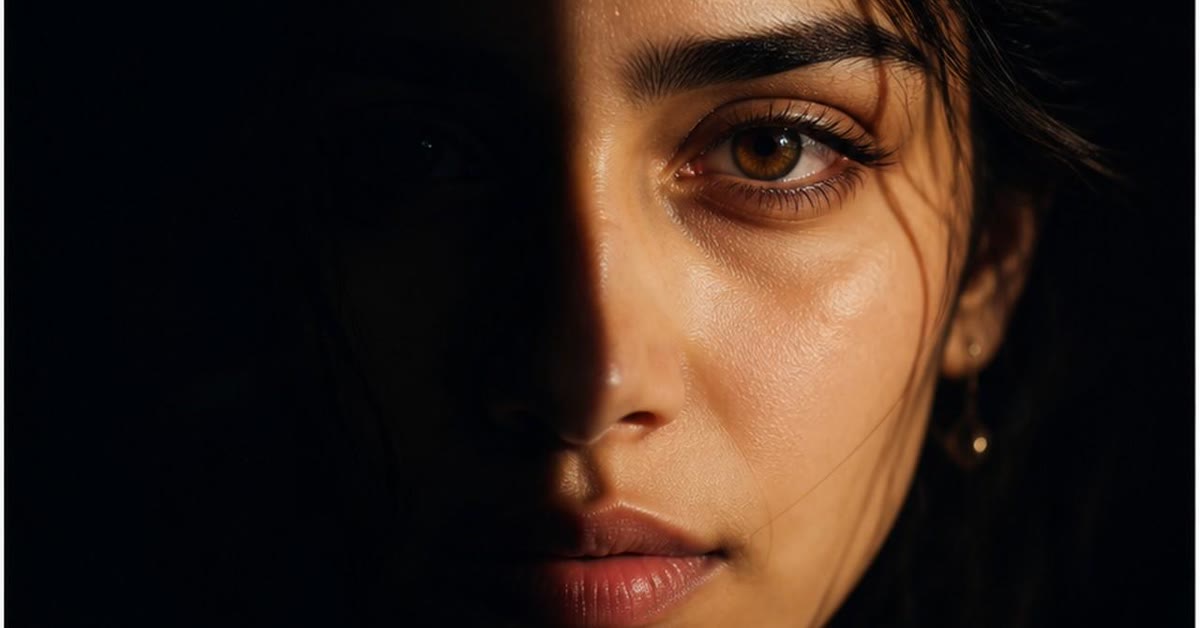
A Sabki Apni Apni Aankhe photo prompt template turns eyes into poetry. A grid of expressive eye close-ups blinks in sync, soft piano tones set the mood, and a slow zoom into one pair of eyes closes the edit with mystery and meaning.
Eye collages work because every gaze tells a different story. Together, the grid feels like many voices, and the final zoom makes it personal. This template suits poetry reels, emotional posts, and artistic edits that need a poetic, mysterious touch. You can reuse this sabki apni apni aankhe photo prompt template for a whole series and still keep every result looking fresh. When you share the result, this sabki apni apni aankhe photo prompt template is the part people will ask you about. That is exactly why this sabki apni apni aankhe photo prompt template works so well for quick, eye-catching results.
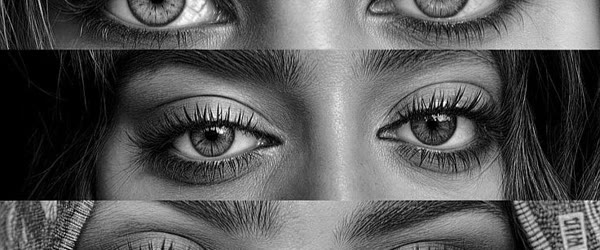
Table of Contents
How to Use This Template
- Open the template in your editor and add your eye close-up photos to the grid.
- Sync the blinks across the grid, keeping the piano tones soft underneath.
- End with a slow zoom into one pair of eyes, export vertically, and check the poetic mood before posting.
Edit Brief
Eye-themed collage edit. A grid of expressive eye close-ups that blink in sync, soft piano tones, and a slow zoom into one pair of eyes. Keep the mood poetic and mysterious.
Pro Tips
- Use sharp, well-lit eye photos, since the grid shows every detail.
- Keep expressions varied, with some soft, some intense, for a richer collage.
- Let the piano lead the pace, with no extra effects competing with the music.
More Edit Briefs to Try
Eyes are a language with a thousand sentences, and one grid only speaks one poem. The six edit briefs below are original variations on the same poetic language: close-ups, gazes, soft piano, and a slow closing zoom. Each one changes the theme, the arrangement, or the final gaze, while keeping the mystery and meaning that define the template. Use them for poetry reels, emotional posts, and artistic series. Each brief is written as a complete, original edit plan you can build in your editor.
Eyes of the City Edit Brief
City gazes edit. A grid of eye close-ups from commuters, strangers on trains, and window reflections, blinking in sync, soft piano underneath, slow zoom into one tired but hopeful gaze. Keep the mood urban, poetic, and quietly human. For best results, pair this sabki apni apni aankhe photo prompt template with a clear, high-quality source image. Try this sabki apni apni aankhe photo prompt template with two different photos and notice how the mood shifts. Used carefully, a sabki apni apni aankhe photo prompt template can turn an ordinary idea into something people stop scrolling for.
Generations of Eyes Edit Brief
Family gazes edit. A grid of eye close-ups across generations, grandmother, mother, child, blinking in sync, soft piano underneath, slow zoom into the child’s gaze. Keep the mood tender, timeless, and full of inheritance.
Eyes in the Rain Edit Brief
Rain gazes edit. A grid of eye close-ups with rain on lashes, wet reflections, and soft blinks, piano and faint rain sounds underneath, slow zoom into one gaze looking up. Keep the mood melancholic, beautiful, and cleansing.
Warrior Eyes Edit Brief
Strong gazes edit. A grid of intense, determined eye close-ups, steady blinks in sync, low piano and a heartbeat underneath, slow zoom into the fiercest gaze. Keep the mood powerful, focused, and unflinching.
Lovers’ Eyes Edit Brief
Romantic gazes edit. A grid of soft, loving eye close-ups, gentle blinks in sync, warm piano underneath, slow zoom into two gazes meeting. Keep the mood intimate, tender, and full of quiet devotion. This sabki apni apni aankhe photo prompt template also works nicely when you want a consistent look across several posts. A reliable sabki apni apni aankhe photo prompt template removes the guesswork from getting the look you want. The real strength of this sabki apni apni aankhe photo prompt template is how easily it adapts to your own style.
Dreaming Eyes Edit Brief
Dream gazes edit. A grid of half-closed, sleepy eye close-ups drifting and blinking slowly, dreamy piano underneath, slow zoom into one gaze closing into sleep. Keep the mood surreal, soft, and full of drifting dreams.
How to Customize This Template
An eye collage template is customized through four choices: the eyes, the grid, the music, and the final gaze. Start with the eyes. The original template uses expressive eye close-ups, but “expressive” is a wide word. Choose a theme for the eyes: city strangers, family generations, lovers, warriors, dreamers. A theme gives the grid a story, and the story gives the viewer a reason to watch every gaze. Random eyes are decoration. Themed eyes are poetry. Collect the eyes around one theme before you build anything.
Next, customize the grid. The arrangement decides how the poem reads: a tight grid feels like a crowd, a loose grid feels like a gallery, a single row feels like a procession, a scattered arrangement feels like a dream. Choose the arrangement that matches the theme. A city theme suits a tight grid. A dream theme suits a scattered one. Keep the grid size modest: six to nine eyes is the sweet spot.
Fewer feels empty, more feels noisy, and every eye must stay sharp and large enough to read. Notice how this sabki apni apni aankhe photo prompt template keeps the subject natural instead of over-processed. This is where the sabki apni apni aankhe photo prompt template quietly does the heavy lifting for your edit. Once you try this sabki apni apni aankhe photo prompt template, small tweaks to the wording can give you a completely fresh version.
Music is the third customization, and it is the soul of the template. Soft piano is the default, and it should stay soft, but you can vary it: a low piano for warrior eyes, a warm piano for lovers, a dreamy piano with reverb for dreaming eyes, piano plus faint rain for the rain version. The music sets the pace of the blinks, so choose it before you sync anything. Blink to the music, never against it. A blink that lands off the beat feels like a mistake. A blink that lands on the beat feels like a heartbeat.
The final gaze is the last customization, and it is the most important. The slow zoom into one pair of eyes is the poem’s final line, and it must be the most meaningful gaze in the grid. Choose the gaze that carries the theme: the hopeful commuter, the child’s eyes, the fiercest warrior, the lover’s meeting.
The final gaze should be the one the viewer remembers, and the zoom should be slow enough to feel like leaning in. A rushed zoom wastes the ending. A slow zoom earns it. Finally, keep the whole edit short: fifteen to twenty-five seconds, with the grid holding for most of it and the zoom taking the last third. Poetry is brief. So is attention.
Step-by-Step Guide
Follow this CapCut and VN workflow to build an eye collage edit that feels poetic, mysterious, and polished.
- Collect themed eye photos first. Gather six to nine sharp, well-lit eye close-ups around one theme, all shot or cropped similarly, with the eyes at the same height in each frame. Consistency is what makes a grid read as one artwork. Mixed angles and mixed sizes will fight each other on screen.
- Crop every eye to the same frame. In your photo editor, crop each close-up to the same ratio, with the eye centered and the lashes sharp. Export all crops at the same resolution. A grid built from mismatched crops looks amateur before a single effect is added.
- Build the grid in your editor. In CapCut or VN, create a project in vertical format, and lay out the grid with the built-in collage or overlay tools. Keep the gaps even and the borders thin. A clean grid lets the eyes speak. A fussy grid talks over them.
- Choose the piano track before syncing. Import a soft piano track and listen to it fully. Note the beat, the swells, and the quiet moments. The track’s structure will decide where the blinks fall and where the zoom begins. Music first, motion second, always.
- Sync the blinks to the beat. If your photos are stills, animate a blink by crossfading to a closed-eye version, or use a subtle scale and opacity pulse that reads as a blink. Place each blink on a beat, with all eyes blinking together for the signature sync. One synced blink is more powerful than ten random ones. Test it at full screen. It should feel like a heartbeat.
- Add the slow zoom to the final gaze. On the last third of the edit, transition to a single full-screen eye, and apply a slow, steady zoom-in over four to six seconds. The zoom must be smooth and continuous, with no jumps. A smooth zoom feels like leaning in. A jumpy zoom feels like a glitch.
- Grade for mood, not for color. Apply a gentle grade: slightly lifted blacks for dreaminess, slightly cooled shadows for mystery, slightly warmed highlights for the piano’s warmth. Avoid strong filters, heavy contrast, or saturated color. The eyes must stay natural. The mood comes from the light, not from a filter.
- Export vertically and check on a phone. Export at 1080 by 1920, highest quality, and watch it on a phone with sound, in a quiet room. The grid should feel like many voices, the zoom should feel personal, and the piano should carry the whole poem. If any eye is soft, any blink is off-beat, or the zoom stutters, fix that one thing before posting. Poetry deserves one careful pass.
Common Mistakes to Avoid
Using soft or blurry eye photos. The grid shows every detail, and a blurry eye in a grid of sharp ones looks like a mistake, not an artistic choice. Every eye must be tack sharp, with lashes and iris detail visible. If a photo is soft, reshoot it, recrop a sharper section, or drop it from the grid. Sharpness is the entry fee for this template.
A small change in the lighting words can make this sabki apni apni aankhe photo prompt template feel completely new. Save this sabki apni apni aankhe photo prompt template now, because it is the kind of idea you will come back to. Many creators keep a sabki apni apni aankhe photo prompt template like this saved for days when they need results fast.
Mixing eye colors and lighting wildly. A grid with warm, cool, dark, and bright eyes looks chaotic rather than poetic. Keep the lighting and color consistent across the grid, with a gentle grade unifying them. Consistency lets the expressions differ, which is the point. Inconsistency makes the viewer notice the editing instead of the gazes.
Blinking off the beat. Blinks that fall randomly, or eyes blinking at different times, destroy the signature sync that makes this template work. Sync is the whole idea. If syncing is difficult, use fewer blinks: one perfect synced blink beats five sloppy ones. The beat is the poem’s meter. Keep it.
Rushing the final zoom. A zoom that completes in one second feels like a jump cut, not a revelation. The final gaze deserves four to six seconds of slow, steady approach. If your editor’s zoom feels fast, slow it down and extend the clip. The ending is the line the viewer remembers. Give it time.
Adding extra effects that compete with the piano. Sparkles, glitches, text, and transitions all fight the soft piano for attention, and the piano always loses to visual noise. Let the piano lead. Keep the edit to grid, blink, and zoom, and nothing else. Restraint is what makes the template poetic. Every added effect is a word the poem did not need.
That flexibility is why a sabki apni apni aankhe photo prompt template like this stays popular with editors. With the right input, this sabki apni apni aankhe photo prompt template delivers a result that looks professionally made. What makes this sabki apni apni aankhe photo prompt template different is the balance between detail and simplicity.
Best Tools for This Edit
CapCut is the best editor for this template. Its collage layouts build clean grids quickly, its keyframe tools make the slow zoom smooth and controllable, and its audio tools let you place blinks exactly on the piano beats. CapCut’s vertical workflow matches the reel format perfectly, and its export quality preserves the sharpness the grid demands.
VN is the alternative for editors who prefer a timeline. Its keyframe zoom is precise, its grid overlays are flexible, and its color tools handle the gentle mood grade beautifully. VN suits builders who want fine control over the zoom speed and the blink timing, and who enjoy crafting the poem frame by frame.
A photo editor like Snapseed or Lightroom Mobile prepares the eyes. Crop every close-up to the same frame, sharpen the lashes gently, balance the color across the set, and export at matching resolution. The grid is only as good as its worst eye, and the photo editor is where every eye is made equal. Prepare carefully, and the edit will feel inevitable.
Keep this sabki apni apni aankhe photo prompt template in your toolkit for your next project and compare the difference. That is the charm of a well-written sabki apni apni aankhe photo prompt template: simple on the surface, powerful underneath. If the first result feels off, run the sabki apni apni aankhe photo prompt template again with one detail changed.
Frequently Asked Questions
Can I use eyes from different people?
Yes, and the template is designed for it. A grid of different people’s eyes is the whole idea: many gazes, one poem. Use photos you have permission to use, keep the theme consistent, and let the variety of expressions carry the meaning. Different eyes, one story, is the template’s power.
What if I only have one good eye photo?
Use it as the final gaze, and build the grid from variations of it: different crops, different grades, mirrored versions. A grid of one person’s eyes in different moods can be a powerful poem about a single soul. Honesty about the constraint becomes the concept, and the concept can be beautiful.
Should the eyes blink naturally or on the beat?
On the beat. Natural, random blinking is realistic but not poetic. The synced blink on the piano beat is what makes the grid feel alive as one organism. It is the signature moment of the template, and viewers wait for it. Sync it, and sync it well. The more specific your input, the more this sabki apni apni aankhe photo prompt template can do for you. Every variation in this guide starts from the same sabki apni apni aankhe photo prompt template, so your results stay consistent. A good sabki apni apni aankhe photo prompt template should save you time, and this one is built to do exactly that.
Can I add text or a poem over the edit?
A single short line, at the very end, over the final gaze, can work beautifully. A whole poem over the grid will clutter it and fight the piano. If you add words, add few: one line, elegant font, fading in slowly, over the final zoom. Let the eyes say the rest.
How long should the edit be?
Fifteen to twenty-five seconds. Shorter feels rushed for a grid, a blink, and a zoom. Longer wanders and loses the mystery. The grid should hold long enough to read every gaze, the blink should arrive on a beat, and the zoom should take the last third. Twenty seconds of poetry beats forty seconds of decoration.
Troubleshooting
The grid looks uneven in my editor. Check that every crop has the same ratio and resolution, and that the grid gaps are equal. Uneven grids almost always come from mismatched source sizes, not from the grid tool. Re-export all crops at identical dimensions, rebuild the grid, and the unevenness will vanish. Even beginners can get a clean result from this sabki apni apni aankhe photo prompt template on the first try. If you post results online, this sabki apni apni aankhe photo prompt template gives your feed a recognizable style. Treat this sabki apni apni aankhe photo prompt template as a starting point, then shape it around your own photo or clip.
The blink animation looks like a flicker, not a blink. Slow it down. A blink needs about a third of a second: close, hold a beat, open. If the crossfade is too fast, it reads as a flicker. Extend the transition, add a brief hold on the closed eye, and preview at full screen. The hold is what makes it a blink.
The zoom stutters or jumps. The keyframes are too close together or the zoom distance is too large for the clip length. Space the keyframes evenly, reduce the zoom range, and extend the clip by a second or two. A smooth zoom is a slow zoom with even keyframes. Test it three times before accepting it.
The piano track overwhelms the edit. Lower the volume and choose a simpler track. A busy piano with fast runs competes with the visual rhythm. A slow, sparse piano with space between notes lets the blinks and the zoom breathe. Simpler music, stronger poem. Swap the track rather than fighting it.
The final gaze looks soft after zooming. The source photo is too low resolution for a full-screen zoom. Use a higher-resolution crop for the final gaze, or zoom less: a gentle zoom from a medium close-up, rather than a deep zoom from a tiny crop. Sharpness at the end is what the viewer remembers. Protect it with resolution. This sabki apni apni aankhe photo prompt template is designed to be copied, pasted, and customized in minutes. Do not be afraid to experiment once the sabki apni apni aankhe photo prompt template gives you a solid base result.
Final Words on Sabki Apni Apni Aankhe Photo Prompt Template
Every eye has its own story, and every story deserves a gaze, and now a whole gallery of poems to build. Load this template, choose a theme, sync the blinks to the piano, and end with the gaze that matters most. Keep the eyes sharp, the grid clean, the blink on the beat, and the zoom slow. A great eye collage does not explain itself. It looks back at the viewer, quietly, and lets the poem happen in the space between gazes. Build it carefully, share it with mystery and meaning, and let the final slow zoom leave viewers thinking about the poem long after the reel has ended.
Every eye has its own story, and every story deserves a gaze. Load this template, sync the blinks, and share a poetic edit full of mystery and meaning. The grid of gazes and the final slow zoom will leave viewers thinking about the poem long after the reel has ended.
Leave a Reply