Introduction
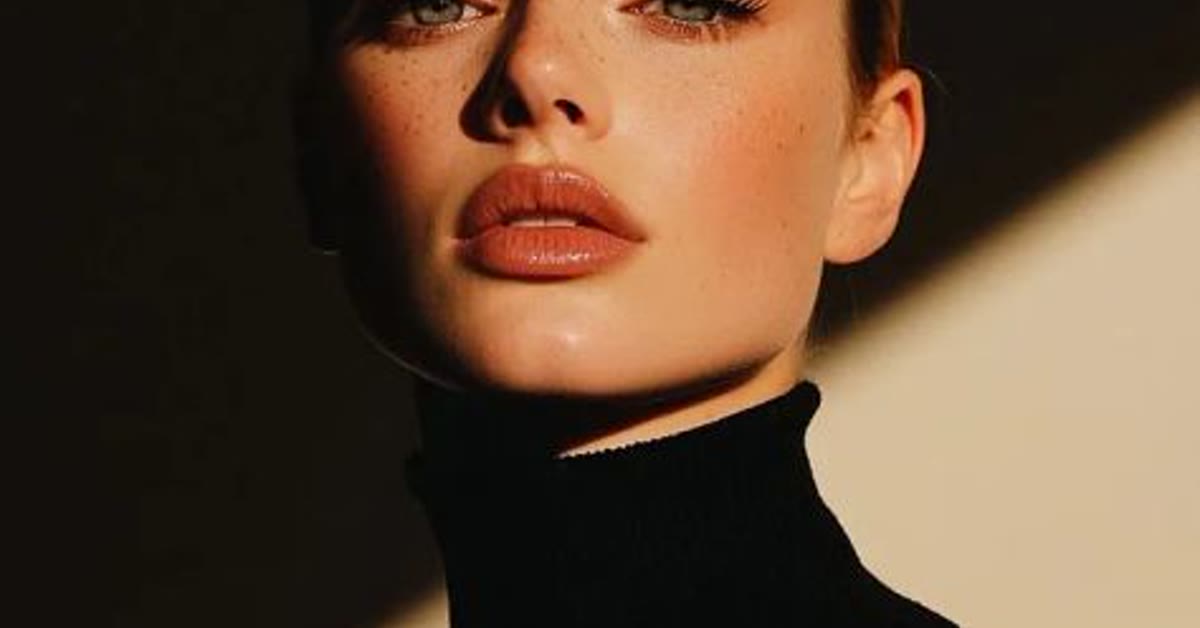
Trends change every week, but the classic look never ages. Classic and aesthetic photo prompts give a portrait timeless film tones, soft window light, and elegant vintage styling that looks as good years from now as it does today. If you want a reliable starting point, the classic and aesthetic photo prompts is a safe choice.
This style suits calm, graceful poses and simple outfits. The AI rebuilds the photo with a muted warm palette and an old-master painting feel while keeping the face natural and detailed. It is the right choice when you want a profile photo that feels refined rather than loud. Keep the classic and aesthetic photo prompts saved in your notes so you can reuse it whenever you need it. Many beginners get their best first result simply by following the classic and aesthetic photo prompts closely.
Table of Contents
- How to Use These Classic and Aesthetic Photo Prompts
- Copy-Paste Prompt
- Pro Tips
- More Prompts to Try for Classic and Aesthetic Portraits
- How to Customize These Classic Aesthetic Prompts
- Step-by-Step Guide to Creating the Classic Portrait
- Common Mistakes to Avoid
- Best Tools for This Edit
- Frequently Asked Questions
- Final Words
How to Use These Classic and Aesthetic Photo Prompts
- Choose a photo with a calm expression and a simple background. A portrait taken near a window gives the most natural soft light for this style.
- Paste the prompt exactly as written and generate the first version. Check that the vintage styling looks elegant and that the face keeps its natural features and skin texture.
- If the colours look too faded, generate again and pick the version with the warmest balanced tones. Save it at full size and use it as a profile photo or a framed print.
Copy-Paste Prompt
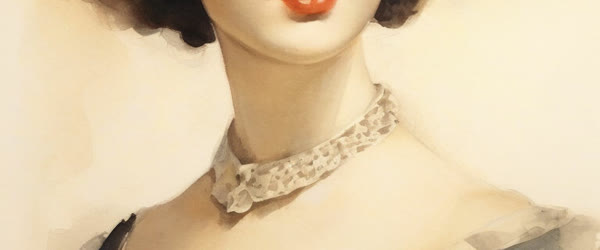
Transform this photo into a classic aesthetic portrait with timeless film tones, soft window light, elegant vintage styling, calm graceful pose, muted warm palette, old-master painting feel, ultra-realistic, 4K, cinematic lighting.
Pro Tips
- Wear solid, muted colours in the source photo, because loud patterns fight against the calm classic palette.
- Keep the pose still and graceful with relaxed shoulders, since the timeless mood depends on composure more than expression.
- Print or post the final image at high resolution, because the film tones and soft light deserve clean detail.
More Prompts to Try for Classic and Aesthetic Portraits
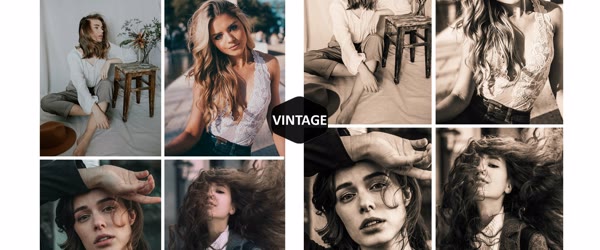
Classic aesthetic is timelessness: film tones, soft window light, and graceful calm. These original classic and aesthetic photo prompts explore that timelessness in different settings, so you can build a portfolio of portraits that look like they could belong to any decade. Keep the palette muted and warm, the poses calm, and the light soft, and every image will feel like a painting.
Window Light Elegance
A quiet, Vermeer-like portrait lit by a single window.
Transform this photo into a classic aesthetic portrait with soft window light falling across the face, elegant vintage styling, calm graceful pose, muted warm palette, old-master painting feel, ultra-realistic, 4K, cinematic lighting.
Window light is the defining element of classic portraiture. It should fall from one side, creating a gentle gradient across the face, with the far side in soft shadow. Keep the pose still and the expression serene, because movement would break the painting illusion. This is the most timeless version in the set.
Vintage Garden Grace
An outdoor classic with old-world garden elegance.
Transform this photo into a classic aesthetic portrait in an old rose garden, soft overcast light, vintage dress, gentle smile, muted greens and creams, timeless romantic mood, ultra-realistic, 4K, cinematic lighting.
Overcast light is a gift for classic portraits, because it is soft and even without being flat. The garden should feel old and slightly wild, not manicured, because a touch of wildness keeps the image from looking like a studio set. Muted greens and creams hold the palette together.
Library Scholar Portrait
A thoughtful, intellectual classic with books and warm lamplight.
Transform this photo into a classic aesthetic portrait in an old library, warm lamplight, shelves of books in soft-focus background, thoughtful calm expression, vintage academic styling, muted amber tones, ultra-realistic, 4K, cinematic lighting.
The library version suits thoughtful, serious subjects. The lamplight should be warm and low, pooling on the books and the face, while the background stays soft and dark. The expression should be contemplative, as if interrupted mid-thought. This is the portrait for writers, readers, and thinkers.
Seaside Timelessness
A coastal classic with salt air, soft light, and endless horizon.
Transform this photo into a classic aesthetic portrait on a quiet seaside promenade, soft sea mist, vintage coat, calm distant gaze, muted blue and cream palette, nostalgic peaceful mood, ultra-realistic, 4K, cinematic lighting.
The sea gives you horizon and mist, two elements that instantly create timelessness. Keep the gaze distant, toward the horizon, because looking at the camera would anchor the image in the present. The muted blue and cream palette keeps the sea from becoming loud or touristic.
Autumn Study Portrait
A warm, scholarly classic with falling leaves and amber light.
Transform this photo into a classic aesthetic portrait in autumn light, golden leaves drifting, warm wool styling, calm reflective pose, muted amber and brown palette, nostalgic academic mood, ultra-realistic, 4K, cinematic lighting.
Autumn is the classic season, and its palette does half the work. The drifting leaves add gentle motion to a still portrait, and the wool textures add the tactile richness that classic images need. Keep the pose reflective rather than posed, as if the subject is unaware of the camera.
Candlelit Evening Portrait
A dramatic, Rembrandt-like classic with deep shadow and warm flame.
Transform this photo into a classic aesthetic portrait by candlelight, warm flame glow on one side of the face, deep soft shadows, elegant dark styling, serene dignified expression, old-master painting feel, ultra-realistic, 4K, cinematic lighting.
Candlelight is the most dramatic classic light, and the most demanding. The flame must light one side of the face warmly while the other side falls into soft shadow. If both sides light evenly, the drama disappears. This version suits formal, dignified subjects and evening posts.
How to Customize These Classic Aesthetic Prompts
Customisation starts with the era you want to evoke. Classic aesthetic is not one period: it can be Renaissance, Victorian, early photographic, or mid-century film. Each era has its own palette and styling, and mixing them will blur the timelessness. Choose one era, name its cues in the prompt, and hold them consistently. “Old-master painting feel” evokes the Renaissance; “vintage film tones” evokes the mid-century. Pick one phrase and commit to it.
Next, control the palette ruthlessly. Classic images use muted, warm, limited palettes: creams, ambers, soft greens, dusty blues, and deep browns. Neon, saturated, or clashing colours will destroy the classic feeling instantly, no matter how good the pose is. Name the palette in the prompt, and check that the result holds it. If a bright modern colour appears, correct it before posting, because one anachronism breaks the spell.
The pose and expression are the third lever. Classic portraits are calm, still, and graceful. Avoid dynamic poses, big grins, or modern gestures like peace signs, because they anchor the image firmly in the present. A calm gaze, a relaxed posture, and a serene or thoughtful expression will carry the timelessness. Stillness is the pose of classic portraiture.
Finally, consider the texture. Film grain, soft focus, and the suggestion of canvas or paper all add to the classic feeling. A light film grain unifies the image and hides digital perfection, which is the enemy of timelessness. Keep the grain light, because heavy grain looks like damage. The goal is an image that feels like it has existed for decades, not one that has been artificially aged. Most people end up recommending the classic and aesthetic photo prompts to friends after trying it once. The real strength of the classic and aesthetic photo prompts is how little setup it needs before you start.
Step-by-Step Guide to Creating the Classic Portrait
Follow these steps in order. Classic portraits reward restraint, and each step here removes something modern rather than adding something new. For consistent output, pair the classic and aesthetic photo prompts with a clean, high-quality source file. When you apply the classic and aesthetic photo prompts carefully, the small details start to look far more polished.
- Choose a calm, elegant starting photo. Pick a portrait with a serene or thoughtful expression, good focus on the eyes, and a simple background. The AI will add the classic light and palette, but it cannot invent grace that is not in the pose.
- Decide the era, palette, and setting before generating. Write down one era phrase, one palette, and one setting from this article. The three choices together define the image, and deciding them first prevents the mixed-era results that ruin classic edits.
- Open your AI photo editor and upload the full-size photo. Use ChatGPT, Gemini, or any editor that accepts text prompts. Upload the original file, because classic edits rely on fine detail in skin, fabric, and light, and compression will soften exactly those textures.
- Paste the prompt exactly and generate the first version. Keep the palette, light, and era words intact. They are doing precise work, and trimming them produces a generic warm photo instead of a classic portrait.
- Check the palette, the light, and the expression in that order. The palette must be muted and warm, the light must be soft and directional, and the expression must be calm. If any of the three fails, name it in your correction prompt before regenerating.
- Refine with one precise correction. If the palette is too bright, ask for “more muted, desaturated warm tones”. If the light is too even, ask for “softer directional light from one side”. One fix at a time preserves the parts that already work.
- Save at full size and test the timelessness. View the image small, as a thumbnail, and ask whether it could belong to another decade. If it could, the edit succeeded. If it screams modern phone photo, adjust the palette and grain once more, then save the final version.
Common Mistakes to Avoid
Mixing eras. A Renaissance pose with neon sneakers, or a Victorian dress with a modern smartwatch, will break the timelessness instantly. Check the whole frame for anachronisms before posting, including jewellery, glasses, and background objects. One modern detail is enough to anchor the image in the present. The classic and aesthetic photo prompts works best when you generate two or three versions and keep the strongest one. This is where the classic and aesthetic photo prompts saves you a lot of trial and error.
Oversaturating the palette. Classic means muted. Bright, saturated colours read as modern and digital, no matter how elegant the pose. If the result looks vivid, ask for muted, desaturated tones and generate again. Restraint in colour is the entire classic aesthetic.
Using a dynamic or silly pose. Peace signs, jumping, laughing hard, and playful gestures all belong to modern casual photography, not classic portraiture. Keep the pose still and the expression serene. The calm is what makes the image feel timeless.
Overdoing the grain or vignette. A light grain adds age; a heavy grain looks like damage. A soft vignette adds focus; a hard vignette looks like a cheap filter. Keep both subtle, and let the light and palette do the work. Effects should be felt, not seen.
Forgetting the background. A classic face against a modern background, such as a shopping mall or a car park, will never read as timeless. The background must support the era: a garden, a library, a seaside, or a plain studio wall. If the background fights the era, change the setting, not the face. Used well, the classic and aesthetic photo prompts can completely change the feel of the final result.
Best Tools for This Edit
Gemini is excellent for classic aesthetic portraits, because it renders soft directional light, muted palettes, and film-like skin tones very accurately. Its classic edits look photographic and painterly at once, and the light stays consistent across the frame. For timeless portraiture, Gemini’s tonal control gives it the edge. Once you understand how the classic and aesthetic photo prompts works, adjusting small details becomes much easier. Done right, the classic and aesthetic photo prompts produces a result that looks planned rather than accidental.
ChatGPT is the easiest option for building a matching classic series. Generate the first portrait, then ask for the same person and palette in new settings, and it keeps the styling consistent. Its conversational corrections are useful for palette tuning: “more muted” or “warmer and softer” usually work in one step.
Canva is the best finishing tool for classic portraits. Use it to add a thin, elegant border, a small serif caption, or a simple frame for printing. Keep the design minimal and period-appropriate, and never cover the face. A restrained presentation completes the timeless feeling. That is exactly why the classic and aesthetic photo prompts keeps getting shared among creators.
Frequently Asked Questions
What exactly makes a photo look “classic”? Muted warm palette, soft directional light, calm graceful pose, and a setting that could belong to another era. Remove any one of those and the image becomes merely warm or merely posed. The combination is what creates timelessness. That balance of speed and quality is what makes the classic and aesthetic photo prompts stand out from generic alternatives.
Can I use a modern outfit in a classic portrait? Yes, if the outfit is simple and elegant. A plain dark dress, a simple shirt, or a tailored coat all work, because simplicity is timeless. Avoid logos, bright patterns, and trendy cuts, because they date the image instantly. If the first attempt feels slightly off, run the classic and aesthetic photo prompts once more with a different source.
Will classic portraits perform well on social media? Yes, especially as a series. Timeless portraits stand out in feeds full of bright, loud content, and viewers save them for their calm beauty. Post them as a consistent series with matching crops and borders, and the profile will look curated and premium. Readers keep coming back to the classic and aesthetic photo prompts because the results stay consistent from one try to the next.
Can I print classic portraits? Yes, beautifully. Classic portraits are made for printing, and the muted palette suits paper perfectly. Print at full size on matte paper, which enhances the painterly feeling, and check the palette at full zoom before printing, because prints render warm tones slightly darker. A little patience with the classic and aesthetic photo prompts usually pays off in the final result.
How do I keep a classic series consistent? Use the same palette family, the same light direction, and the same crop across all portraits. Change only the setting. The shared palette and light will tie the series together even when the locations differ, and the profile will read as one deliberate body of work. The classic and aesthetic photo prompts is also a friendly learning tool if you are new to AI editing.
Final Words
Classic and aesthetic photo prompts turn an ordinary portrait into a timeless image, where soft light, muted colour, and calm grace do all the talking. Keep the palette restrained, the light directional, and the pose still, and the portrait will feel like it has always existed. Build a small series across the settings in this article, keep the styling consistent, and let your feed become a gallery. In short, the classic and aesthetic photo prompts does the heavy lifting while you stay in control of the look.
Timelessness is not an effect; it is a discipline of restraint, and it is worth practising. Classic and aesthetic photo prompts prove that quiet edits age best. Keep the light soft, the palette warm, and the pose graceful, and the portrait will stay beautiful for years. Frame the best version as a print for your wall, because a classic portrait deserves a place in your home just as much as it deserves a place in your feed. Plenty of creators treat the classic and aesthetic photo prompts as their default starting point for this style.
Leave a Reply