
Introduction
Week 1 college football games mark the return of the season, and the opening weekend always delivers drama. Ranked teams face tricky road trips, famous rivalries renew early, and new quarterbacks get their first real test in front of huge crowds. For fans, it is the best weekend of the year, because every team starts unbeaten and every result shapes the playoff race. That is why so many people search for week 1 college football games before they start.
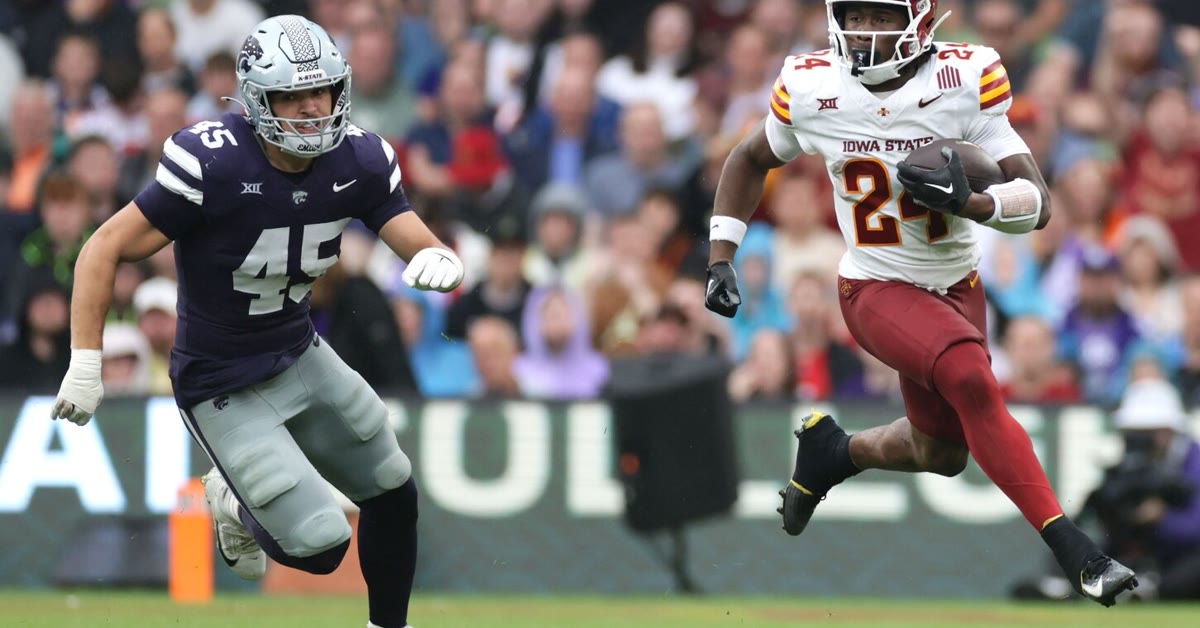
The opening slate usually mixes showcase neutral-site games with big home openers. Neutral-site games in NFL stadiums draw national TV audiences, while campus openers bring the band, the tailgates, and the full student section. Both settings create the loud, colourful atmosphere that makes college football special. Opening weekend games are hard to predict, because new players, new coaches, and new systems all meet for the first time.
That uncertainty is part of the fun, and it is why early games often produce surprises that shape the rest of the season. It helps to watch the first half closely, because the way teams adjust after halftime often tells you more than the opening score. Take your time with week 1 college football games and the results will speak for themselves.
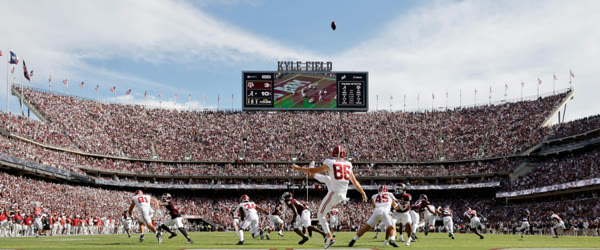
Table of Contents
Quick Take
This preview covers the biggest week 1 games with dates, teams, and viewing info. Ranked-versus-ranked matchups headline the weekend, but watch the upset alerts too, since unranked teams often catch favourites early before new starters settle in. Check kickoff times in your local time zone, because the best games are spread across the full weekend from Thursday to Monday.

Pro Tips for Week 1 College Football Games
- Watch the quarterback battles closely, because week 1 reveals which new starters are ready for big games.
- Follow injury and weather updates on game day, since late changes can swing a close matchup.
- Record the late-night games if you follow a team on the west coast, as they often finish after midnight.
Why Week 1 Matters So Much
Week 1 of the college football season is unlike any other weekend in the sport. After months without games, every team starts fresh, every fan base is undefeated, and every storyline is still possible. The opening weekend sets the tone for the entire season: a big win can launch a team into the rankings conversation, while an early upset can reshape expectations for months. That combination of hope and uncertainty is what makes Week 1 appointment viewing for fans across the country.
The opening weekend is also the first real test of everything that changed in the offseason. New starting quarterbacks take their first snaps, transfer players debut in new uniforms, first-year coaches run their first games, and rebuilt defences face live opponents for the first time. Practice reports and predictions can only tell you so much. Week 1 is where the talk stops and the evidence begins. Even a single quarter can reveal whether a hyped offence is real, whether a new defence can tackle, and whether a team handles pressure on a big stage.
For fans, Week 1 is a reunion. Tailgates return, campus traditions restart, fight songs fill stadiums, and living rooms fill with friends. The games are spread across several days, usually from Thursday through Monday, which turns the weekend into a rolling festival rather than a single afternoon. Planning around that spread, knowing which windows matter most, and pacing yourself across four or five days is part of the Week 1 skill set. This guide helps you do exactly that, without needing to memorize a schedule that changes every year.
The Types of Games to Watch
Week 1 schedules mix several kinds of games, and each kind offers something different. Knowing the types helps you choose where to spend your viewing time.
Ranked-versus-ranked showdowns are the headliners. When two ranked teams meet in Week 1, the stakes are immediate: the winner gains an early signature win, and the loser starts the season answering questions. These games usually get the best broadcast windows and the biggest audiences. They are also the hardest to predict, because both teams are unveiling new players and schemes. Watch them for the chess match between coaching staffs as much as for the score.
Showcase and neutral-site games are the made-for-TV openers played in big stadiums far from either campus. These games pair famous programs in marquee settings, and they often feel like bowl games in September. The atmosphere is electric, the crowds are split, and the television production is top class. They are excellent choices for a viewing party, because even casual fans enjoy the spectacle.
Rivalry and trophy openers add history to the first weekend. Some rivals meet early, and those games carry years of feeling even when the teams are uneven on paper. Form matters less in rivalry games, and the crowd energy is different from a normal opener. If your team has an early rivalry game, treat it as the emotional centre of your weekend.
Upset-alert games are where unranked or lower-ranked teams host or visit favourites. Early-season upsets are common, because favourites are still settling new starters while underdogs arrive motivated and well prepared. An unranked team catching a favourite early, before new starters settle in, is one of college football’s oldest patterns. Keep an eye on these games in the second half, when a close score turns into genuine drama.
FCS and tune-up games round out the weekend. Big programs often open against smaller opponents to test new players in a lower-risk setting. These games are less dramatic, but they are useful for judging depth: watch which young players get meaningful snaps, how the second unit performs, and whether the team stays focused. They are also perfect background viewing while you prepare food or host friends.
How to Plan Your Viewing Weekend
A good Week 1 plan starts with the schedule, and the schedule rewards a little preparation. Games run from Thursday evening through Monday night, with the heaviest concentration on Saturday. Start by listing the games you care about most, then check kickoff times in your own time zone. The best games are spread across the full weekend, and time-zone conversion is the easiest detail to get wrong. A game listed in Eastern time starts three hours earlier on the West Coast, and that gap decides whether you are watching breakfast football or evening football. That small extra effort with week 1 college football games pays off in the final result.
Next, map the broadcast windows. The biggest games usually sit in the late afternoon and evening slots, while the early slot often hides a gem. If you can only watch part of the weekend, prioritize the ranked matchups and the rivalry games, and let the tune-up games run in the background. Many fans use two screens for Week 1: a main screen for the featured game and a second screen for score updates and the upset alert. A phone or tablet with a score app covers the second screen perfectly. Once you understand week 1 college football games, the rest becomes much easier.
Plan food and hosting around the games, not the other way around. The Thursday opener is a good night for a small gathering or a solo watch. Saturday is the main event, and it rewards a full spread, a comfortable setup, and breaks between games. Sunday and Monday games are a bonus, best enjoyed lightly after a long Saturday. Pace yourself: four days of football is a marathon, and the fans who enjoy it most are the ones who plan rest, food, and sleep around the big windows. Many readers find that week 1 college football games works better than expected.
Storylines to Follow All Weekend
Week 1 is rich with storylines, and following a few of them makes every game more interesting, even the ones without a close score. The key with week 1 college football games is to stay clear and specific.
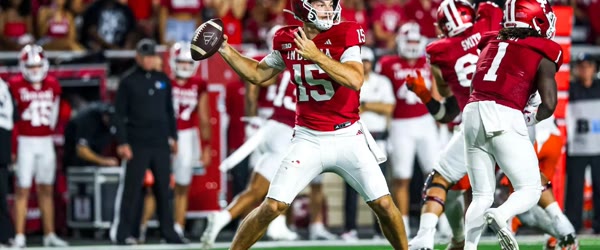
New quarterbacks are the biggest storyline every year. Watch how a first-time starter handles pressure, how quickly the offence moves, and whether the coaching staff trusts him with deep throws early. A calm debut suggests a strong season ahead. A shaky debut does not doom a team, but it tells you where the growing pains will be. Done carefully, week 1 college football games saves both time and effort.
Transfer debuts are the modern subplot. Players who changed schools in the offseason debut in new systems, and Week 1 shows whether the fit works. Watch for transfers at skill positions, where impact is immediate, and on the offensive line, where cohesion takes longer. A transfer who produces early often becomes a season-long story. Keep these basics of week 1 college football games in mind and you will avoid most mistakes.
Coaching debuts add another layer. A new head coach’s first game reveals tempo, aggression, and sideline demeanour. Does the team play fast or controlled? Does the coach go for it on fourth down? These tendencies, visible in Week 1, often define the whole season’s identity. This is exactly where week 1 college football games can help you most.
Defensive rebuilds are the quiet storyline. Offences get the highlights, but Week 1 shows whether a rebuilt defence can tackle in space, cover deep routes, and get off the field on third down. A defence that looks organized early usually improves. One that looks lost may need weeks to settle. A little planning around week 1 college football games goes a long way.
Special teams decide more Week 1 games than fans expect. New kickers, new returners, and new coverage units make mistakes under pressure. A missed kick or a big return can swing an opener, and it often foreshadows a season-long strength or weakness. Keep an eye on the kicking game, especially in close finishes. In practice, week 1 college football games is simpler than it first looks.
Upset Alerts and How to Spot Them
Upsets are part of Week 1’s charm, and they follow recognizable patterns. The most common pattern is a favourite with many new starters facing a settled underdog that returns most of its lineup. Early in the season, experience and cohesion matter more than raw talent, because new combinations have not yet learned to play together. If an underdog keeps the game close into the second half, the pressure shifts to the favourite, and the crowd, the clock, and the moment start working for the underdog. Take your time with week 1 college football games and the results will speak for themselves.
Another pattern is the tricky road opener. A favourite travelling to a loud, hostile stadium for its first game faces noise, unfamiliar surroundings, and an opponent treating the game as its season. Road favourites in Week 1 deserve extra caution, especially when the home team has a strong defence and a patient offence. Turnovers are the third pattern: early-season games produce more mistakes, and a favourite that turns the ball over twice in the first half can find itself in a fight it never expected. That is why so many people search for week 1 college football games before they start.
To spot an upset brewing, watch three things: the line of scrimmage, the turnover count, and the body language. If the underdog’s lines are holding up, the favourite is not imposing its will. If turnovers are even or favour the underdog, the favourite’s margin for error shrinks. If the favourite’s sideline looks tense while the underdog plays loose, momentum has shifted. None of these guarantees an upset, but together they signal that the game is live deep into the fourth quarter, which is exactly when Week 1 delivers its best drama. Start with the basics of week 1 college football games, then build from there.
Hosting the Perfect Week 1 Watch Party
Week 1 is built for gathering, and a little hosting preparation makes the weekend memorable. Start with the setup: a main screen big enough for the featured game, comfortable seating with a clear view, and a second screen for scores. Test the streams or channels before kickoff, because nothing spoils an opener like scrambling for a feed after the game starts. Keep chargers handy, since score-checking phones drain fast across a long Saturday. That small extra effort with week 1 college football games pays off in the final result.
Food should be easy, filling, and able to sit out across several games. Classics like wings, sliders, dips, and slow-cooker dishes work because they feed a crowd without constant attention. Prepare most of it before the first game, and keep snacks topped up during breaks between windows. Drinks, ice, and cups should be set up self-serve so the host can actually watch the games. A simple scoreboard or a printed schedule on the wall helps guests follow the weekend and sparks debate about the best games. Once you understand week 1 college football games, the rest becomes much easier.
Finally, set the tone. Week 1 is for optimism, so keep the gathering friendly even when rival fans share the room. Friendly wagers, prediction games, and a simple upset-pick contest add fun without raising the stakes. The best Week 1 parties end with everyone already planning Week 2, and that feeling is worth more than any single result. Many readers find that week 1 college football games works better than expected.
Frequently Asked Questions
When does Week 1 usually take place? Week 1 opens the college football season, with games typically spread from Thursday through Monday around the first full weekend of the season. Exact dates change every year, so check the current season’s schedule for kickoff times. In practice, week 1 college football games is simpler than it first looks.
Which games should I prioritize? Start with ranked-versus-ranked matchups and rivalry games, then add the upset alerts and showcase games. Tune-up games are best as background viewing while you host or follow scores. A little planning around week 1 college football games goes a long way.
Why do upsets happen so often in Week 1? New starters, new schemes, and limited live evidence make favourites vulnerable, while settled underdogs arrive cohesive and motivated. Experience and continuity matter most early in the season. This is exactly where week 1 college football games can help you most.
How do I handle time zones? Always convert kickoff times to your local time zone before planning. National listings often use Eastern time, and the difference can be several hours. A schedule app set to your time zone removes the guesswork. Keep these basics of week 1 college football games in mind and you will avoid most mistakes.
What is the best way to follow many games at once? Use a main screen for the featured game and a phone or tablet for live scores and updates. Score apps and conference channels make it easy to track every game without missing the big moments. Done carefully, week 1 college football games saves both time and effort.
Final Words
Week 1 sets the tone for the whole season. Pick your games, gather your friends, and enjoy the opening weekend of college football. Enjoy the drama, the crowds, and the first big moments of the season. Pick the games that excite you most, watch them with friends, keep an eye on the upset alerts, and let Week 1 set the tone for the months ahead. The key with week 1 college football games is to stay clear and specific.