
Introduction
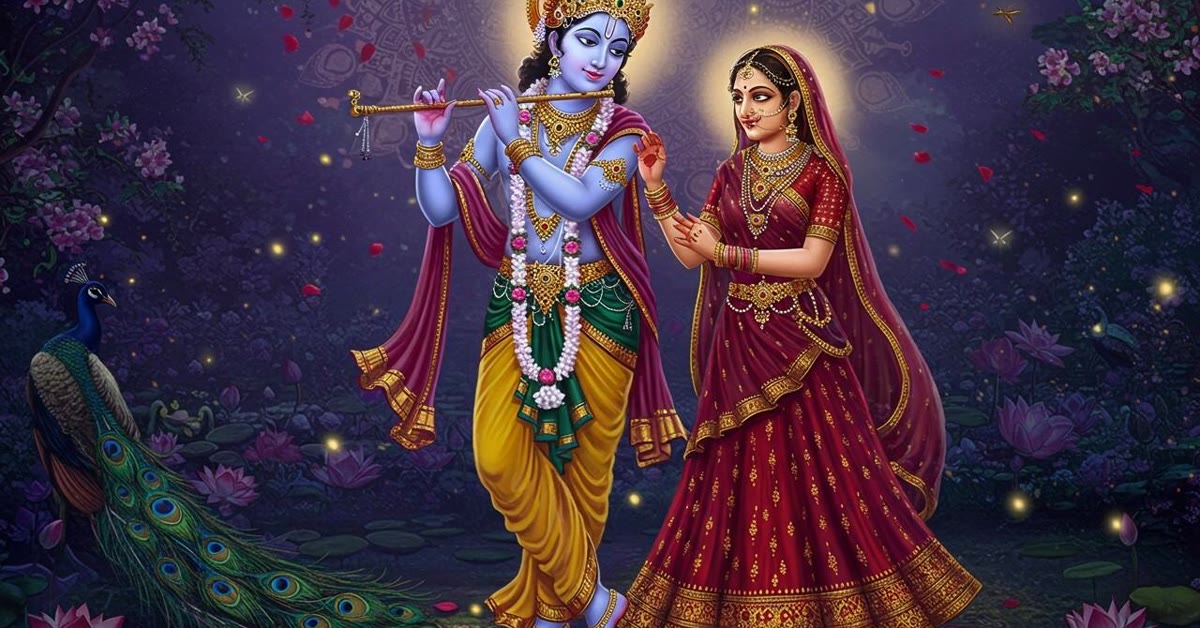
The Radha Krishna divine love story is one of the most beloved tales ever told. It is a story of devotion that goes beyond ordinary love, where Radha loves Krishna with a pure heart and Krishna answers with his flute, his smile, and his eternal presence in Vrindavan. In short, a well-written radha krishna divine love story does most of the hard work for you. Try the
This story has inspired songs, paintings, dances, and festivals for centuries. Its images are familiar to everyone, the peacock feather, the flute melody drifting over the Yamuna, and the golden sunsets of Vrindavan. Together they create a world that feels both divine and deeply human.
A clear radha krishna divine love story will always outperform a longer one filled with repeated words. This radha krishna divine love story is designed to be copied, pasted and finished in just a few minutes. Notice how the radha krishna divine love story keeps the subject natural while the background does the storytelling. Whenever you reuse this radha krishna divine love story, update the outfit, place or mood to keep it fresh.
In short, a well-written radha krishna divine love story does most of the hard work for you. That is why this radha krishna divine love story focuses on clear details instead of vague instructions. Once you try this radha krishna divine love story, you can adjust the small details to match your own style.
amuna, and the golden sunsets of Vrindavan. Together they create a world that feels both divine and deeply human.
Table of Contents
How to Use This Idea
- Pick one scene from the story, such as the first meeting, the Raas dance, or the flute by the river.
- Pair it with a bhajan or a short verse that captures the mood of that moment.
- Share it as a post, a reel, or a story, keeping the visuals soft, golden, and devotional.
Quick Take
Retell the divine love story through flute melodies, peacock feathers, and Vrindavan sunsets. The heart of the tale is Radha’s selfless devotion and Krishna’s playful, loving response, a bond that devotees still celebrate in bhajans, Raas Leela performances, and Janmashtami festivities today. If you save one version of the radha krishna divine love story, save the one that keeps the subject looking natural.
Pro Tips for Radha Krishna Divine Love Story
- Golden hour light suits Vrindavan scenes best, since it matches the warm, divine mood.
- Keep the flute and peacock feather visible, as they are the two most recognized symbols of Krishna.
- Short, heartfelt captions work better than long explanations for devotional posts.
Related Ideas to Try
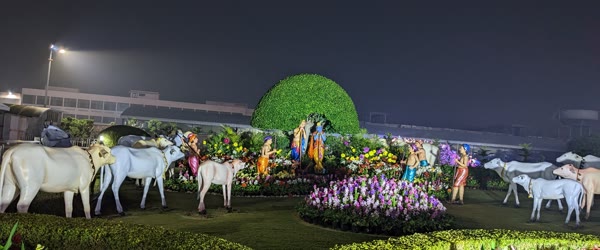
The Radha Krishna divine love story can be retold in many forms, each one highlighting a different moment of devotion. The six ideas below keep the flute, the peacock feather, and the Vrindavan sunset at the center while changing the scene, so one timeless story can inspire a whole series of posts. This is where the radha krishna divine love story really earns its keep, because small changes here make a big difference.
The First Meeting
Radha hears the flute for the first time and follows the sound through the forest to the riverbank. This scene works beautifully as a short reel, with the melody growing clearer as she walks, and the first sight of Krishna framed by trees and golden light. Keep the camera slow and the music soft, letting anticipation build before the meeting.
The Raas Leela Dance
The moonlit circle dance, where Krishna multiplies himself so every gopi dances with him at once. This is the most visual scene in the story, full of movement, moonlight, and swirling costumes. A wide shot of the circle with the moon overhead captures the divine scale, while close-ups of smiling faces capture the joy.
The Flute by the Yamuna
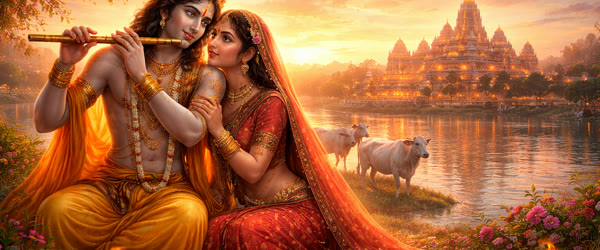
Krishna alone on the riverbank at dusk, playing the flute as the water turns gold. This quiet scene suits a reflective post or a meditation reel, with the river, the sky, and the melody doing all the storytelling. Long, still shots and soft light make the moment feel sacred.
Radha’s Longing
Radha waiting through the night, watching the path, her lamp burning low. This emotional scene explores the longing side of devotion, and it resonates with anyone who has waited for someone they love. Deep blue night tones, a single lamp, and a wistful expression carry the whole story.
The Peacock Feather Gift
Krishna placing a peacock feather in Radha’s hair, a small tender gesture that symbolizes the whole relationship. This intimate close-up scene works perfectly as a single image post or a story frame, with the feather and the gentle hands as the focal point.
Janmashtami Midnight
The midnight celebration of Krishna’s birth, with temple bells, aarti flames, and devotees singing through the night. This festive scene suits Janmashtami posts, with warm light, crowds, and joyful energy filling the frame from edge to edge.
The Story Retold in Depth
The Radha Krishna divine love story begins in the village of Vrindavan, where Krishna spends his youth herding cows, playing the flute, and filling the forest with music. Radha, a cowherd girl of extraordinary devotion, hears that flute and recognizes in it a call that is meant only for her. Their first meeting by the river is not a romance in the ordinary sense, but a recognition, two souls that have always belonged to each other finding each other again in human form. The radha krishna divine love story works best when you change only one detail between each try.
As the story grows, their love deepens through everyday moments: shared walks in the forest, stolen glances during festivals, and long evenings when Krishna’s flute drifts over the Yamuna and the whole village pauses to listen. The other gopis, the cowherd women of Vrindavan, love Krishna too, and their devotion becomes part of the story, showing that divine love is not possessive but overflowing. Krishna’s playful nature, his teasing, his butter-stealing, and his smile, keeps the story joyful even in its most spiritual moments.
The Raas Leela is the heart of the tale. On a full-moon night, Krishna plays his flute and the gopis leave their homes to dance with him in the forest. In the most beloved telling, Krishna multiplies himself so that every gopi feels she is dancing with him alone, a image of how the divine meets each devotee personally. The dance lasts through the night, with moonlight, music, and swirling costumes, until dawn returns everyone to ordinary life, carrying the memory of something beyond ordinary life.
Separation is the other half of the story. When Krishna leaves Vrindavan for Mathura, Radha stays behind, and her longing becomes the purest expression of devotion in the tradition. Her love does not fade with distance or time; it deepens. Poets and singers have returned to Radha’s longing for centuries, because it speaks to every human experience of loving someone who is far away. In the end, the story teaches that true love is not about possession but about surrender, and that devotion itself is the meeting place of the human and the divine.
How to Share This Story
Sharing the Radha Krishna divine love story works best when you pick one scene and tell it simply. A single image with a short verse reaches more hearts than a long explanation, because the symbols, the flute, the feather, the sunset, already carry the meaning. Choose the scene that matches your mood: a joyful scene for festivals, a quiet scene for reflection, and a longing scene for emotional posts. With a little patience, this radha krishna divine love story can produce a result that looks ready to post.
Pair the visual with sound that fits the moment. A soft flute melody suits almost every Radha Krishna post, while a bhajan suits festival content and a gentle instrumental suits meditation reels. Keep the audio low and unhurried, since the story itself is slow and devotional. Avoid loud or fast music, which fights the mood.
Captions should be short and heartfelt. A single line from a bhajan, a short blessing, or a personal reflection works better than a paragraph of explanation. Devotional audiences respond to sincerity, so write what you genuinely feel about the story rather than what you think will perform. Hashtags can help discovery, but keep them few and relevant, focused on devotion, Krishna, and the festival at hand.
Common Mistakes to Avoid
The most common mistake is mixing too many scenes into one post. The first meeting, the Raas dance, and the separation all in one reel becomes confusing, and viewers remember none of it. Pick one scene, tell it fully, and save the others for later posts in a series. That is why this radha krishna divine love story focuses on clear details instead of vague instructions.
Another mistake is making the visuals too loud or flashy. The Radha Krishna story is gentle and golden, so harsh neon effects, fast cuts, or modern slang captions clash with the devotion. Keep the light warm, the pace slow, and the words respectful, and the story will speak for itself.
People also forget the symbols. A Radha Krishna post without the flute, the peacock feather, or the Vrindavan setting can feel generic, like any romantic image. Always include at least one clear symbol so viewers recognize the story instantly, even at a glance.
A subtler mistake is explaining too much in the caption. Devotional stories live in feeling, not in footnotes. A long academic caption can make a beautiful post feel like homework. Say one true thing, and let the image and music carry the rest.
Finally, be careful with AI-generated depictions of sacred figures. Always check the result closely for distortions, especially in faces and hands, and regenerate if anything looks wrong. A respectful, accurate image honors the devotion behind the post.
Best Tools for This Story
ChatGPT is a helpful starting point for writing captions, verses, and short retellings of the Radha Krishna divine love story. You can ask for a short devotional caption in a particular mood, such as joyful or longing, and refine it in conversation until it feels sincere. Its image tools can also build the golden Vrindavan scenes described in this article. Many readers tell us this radha krishna divine love story gave them their most realistic result so far.
Gemini works well for creating the visual scenes themselves, especially the soft golden light and painterly glow that suit devotional art. Its image editing holds fine detail steady, which matters for delicate elements like flower garlands, peacock feathers, and flute close-ups.
CapCut is the best finishing tool for devotional reels. Use it to pair your visuals with flute music, add gentle fade transitions, and keep the pacing slow and reverent. Its text tools can add a short verse or blessing in an elegant font, placed carefully so it never covers the sacred symbols.
Frequently Asked Questions
Who was Radha in the Krishna story?
Radha is Krishna’s beloved and the supreme devotee in the tradition. She is a cowherd girl of Vrindavan whose love for Krishna is so pure and selfless that it becomes the model of devotion itself, showing love that asks for nothing in return. Once you try this radha krishna divine love story, you can adjust the small details to match your own style.
What does the peacock feather symbolize?
The peacock feather in Krishna’s crown symbolizes beauty, grace, and the divine presence in nature. It is Krishna’s most recognized symbol, and in art it instantly identifies him, even in a scene with no other context.
Why is the flute so important in the story?
The flute represents the divine call that draws every soul toward love and devotion. When Krishna plays, the people of Vrindavan stop their work and follow the sound, a image of how the heart responds to the divine without being forced.
When is this story celebrated most?
Janmashtami, the midnight festival of Krishna’s birth, is the biggest celebration, with temple bells, aarti, and all-night singing. Holi and Raas Leela festivals also celebrate the Vrindavan stories, with color, music, and dance.
Can I share AI-created Radha Krishna art respectfully?
Yes, if you check the image carefully, keep the depiction graceful and complete, and share it with genuine devotion. Avoid cartoonish or distorted versions, and always review faces, hands, and sacred symbols before posting.
Creative Ideas to Try
Create a seven-day Janmashtami series, posting one scene each day from the first flute call to the midnight birth celebration, so your feed tells the whole story as the festival approaches. You can also pair each scene with a different bhajan lyric, building a devotional playlist across the week. For Raas Purnima, post the Raas Leela scene as a full-moon night reel with moonlight tones and a slow circling edit.
If you run a devotional page, invite followers to share which scene moves them most, and build the next post around their answer. Each idea keeps the devotion at the center while giving your content a fresh angle on a timeless story. Keep the radha krishna divine love story handy while you work so you can tweak one line at a time.
Devotional Captions and Verses
A good caption can carry a Radha Krishna post further than any filter. The best devotional captions are short, sincere, and rooted in the story itself. A single line about the flute calling across the Yamuna, or about Radha waiting through the night, says more than a paragraph of explanation. When you write a caption, imagine you are speaking to one person who loves the story, not to an audience you are trying to impress. Sincerity reads clearly, and devotional audiences recognize it instantly. That is the real strength of a radha krishna divine love story built around specific, visual details.
Verses from bhajans work beautifully when they match the scene. For the first meeting, a line about hearing the flute for the first time fits perfectly. For the Raas Leela, a line about dancing under the full moon carries the joy. For Radha’s longing, a line about waiting through the night speaks to everyone who has loved and waited. Keep the verse short, attribute it simply if you know the source, and let the image and music do the rest. Never crowd a devotional image with long text, since the sacred symbols deserve clean space around them.
You can also write your own short blessing in the caption, in your own words. A simple line such as “May every heart hear the flute and find its way home” feels personal and universal at once. Personal blessings invite warm comments, because they give viewers something to receive rather than something to decode. If you run a devotional page, end captions with a gentle question, such as asking which scene moves followers most, and use their answers to shape the next post. The story has lived for centuries through retelling, and your caption is simply the newest retelling, offered with love.
Final Words
The flute still plays, the peacock feather still shines, and the sunset over Vrindavan still glows in every heart that remembers. Share this story simply and sincerely, and it will keep finding new hearts, just as it has for centuries. A good radha krishna divine love story should feel simple to follow, even if it is your first attempt.
Radha and Krishna remind us that true love is devotion without conditions. Their story lives on in every flute note, every sunset, and every heart that still believes in eternal love.