
Introduction
Anxiety often lives in fast, shallow breathing and a racing mind, and screens rarely slow either one down. Projects that soothe anxiety and teach steadier breathing work differently: they give your hands something slow to do, and your breath naturally follows the rhythm of the work. Knitting, clay, slow journaling, and gentle gardening all ask for patience, and patience is exactly what calms the body down. That is the practical side of projects that soothe anxiety and teach steadier breathing that most people miss on their first try.
You do not need talent or expensive tools to start. A notebook, a ball of yarn, or a small pot of soil is enough for a first project. The goal is not a perfect finished object, but twenty quiet minutes where your breathing slows, your shoulders drop, and your thoughts stop rushing ahead. Most of these projects pair gentle making with diaphragmatic breathing, a slow belly-breathing method used for calm. Everything here comes back to one idea, that projects that soothe anxiety and teach steadier breathing works best when it stays simple and repeatable.
Table of Contents
- How to Start These Projects That Soothe Anxiety and Teach Steadier Breathing
- Quick Take on Projects That Soothe Anxiety and Teach Steadier Breathing
- Pro Tips
- More Calming Projects to Try
- How to Customize a Calming Routine for Your Life
- Step-by-Step Guide to a Steadier Breathing Practice
- Common Mistakes to Avoid
- Best Tools for a Calmer Daily Practice
- Frequently Asked Questions
- Final Words
How to Start These Projects That Soothe Anxiety and Teach Steadier Breathing
- Choose one project that feels gentle, not demanding, such as sketching, clay work, or slow journaling with no rules.
- Set a timer for fifteen minutes and breathe slowly through the whole session, letting the work set the pace.
- End each session by writing one line about how you feel, so you can watch the calm build over the weeks.
Quick Take on Projects That Soothe Anxiety and Teach Steadier Breathing
Pick one slow, hands-on project and pair it with a simple breathing rhythm, such as breathing in for four counts and out for six. Repeat it at the same time each day, keep the sessions short, and let the routine itself become the calming signal your body learns to trust. Share your finished result and ask for feedback, because projects that soothe anxiety and teach steadier breathing gets better with every honest review.
Pro Tips
- Keep your project tools in one visible basket, because a project you can see is a project you will actually start.
- Silence notifications during the session, since one buzz can undo ten minutes of slow breathing.
- On hard days, do a smaller version of the project, because five calm minutes still count and keep the habit alive.
More Calming Projects to Try
The quick take gives you one slow project with a breathing rhythm, but different days call for different kinds of calm. The six projects below vary in effort, time, and setting, so you can match the project to the day you are having. Each one pairs a gentle hand activity with a breathing pattern, because the hands and the breath calm each other when they move at the same slow pace. Share your finished result and ask for feedback, because projects that soothe anxiety and teach steadier breathing gets better with every honest review.
1. Slow Watercolour Washes
Fill a page with soft bands of colour, one wash at a time, and breathe in while the brush loads and out while the colour spreads. Watercolour forces slowness, because the paint moves on its own and rushing only makes puddles. The project needs only a small palette, a brush, and thick paper, and the finished pages make a calming record of quiet evenings. Keep the colours soft and the shapes simple, and let the water do half the work.
2. Hand-Stitching a Small Cloth
Thread a needle, choose a simple running stitch, and sew a small square of cloth with no pattern and no deadline. Each stitch takes a full breath: in as the needle rises, out as it sinks. The repetition settles the hands, and the growing line of stitches gives the mind a single, harmless thing to follow. A finished cloth can become a coaster, a patch, or a bookmark, but the object matters less than the twenty minutes of steady rhythm.
3. Gentle Herb Gardening
Pot a few herbs on a windowsill, water them slowly, and breathe with the watering can. Gardening pairs well with steadier breathing because plants reward patience and punish rushing, and the smell of soil and green leaves is calming in itself. Spend a few minutes each day checking the soil, trimming a leaf, and breathing in the scent. The daily ritual becomes a small anchor, and the herbs give you something living to care for.
4. Clay Pinch Pots
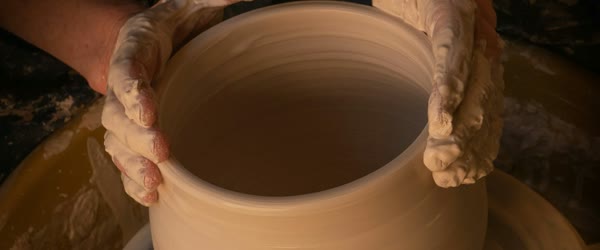
Take a ball of air-dry clay and shape a small pot by pinching slowly, turning the clay a little with each breath. Clay is forgiving: if the shape wobbles, smooth it and keep going, and the slow pressure of the fingers releases tension from the hands and shoulders. The finished pots are uneven and charming, and that imperfection is part of the lesson. Not everything needs to be perfect to be worth making.
5. Slow Photography Walk
Take a camera or phone on a ten-minute walk with one rule: stop and photograph only things that make you breathe more slowly. A shadow on a wall, a cat asleep in the sun, steam rising from a tea stall. Walking slowly while looking closely pulls attention out of worried thoughts and into the present street. Do not rush to collect many photos; five careful shots teach more calm than fifty hurried ones.
6. Bedtime Story Journaling
Each night, write three sentences about the day as if it were a gentle story, then write one sentence about tomorrow as a kind wish. The writing takes five minutes, and the slow, deliberate sentences give the mind a tidy ending to the day. Keep the tone kind and the details small, such as the taste of dinner or the sound of rain. Over weeks, the journal becomes proof that calm days exist and can be built on purpose. The examples above show projects that soothe anxiety and teach steadier breathing at its most approachable, even for complete beginners.
How to Customize a Calming Routine for Your Life
A calming routine must fit the life you actually have, so begin with your real schedule. If mornings are rushed, place your project in the evening, when the day’s noise has faded. If evenings are full of family duties, take ten minutes at lunch instead. The best time is the time you can repeat, not the time a guidebook recommends. A five-minute project done daily beats a one-hour project done once and abandoned. Small steady practice beats one long session whenever projects that soothe anxiety and teach steadier breathing is the goal.
Next, match the project to your energy. On high-anxiety days, choose the simplest project, such as stitching or slow breathing with a warm drink, because demanding projects add pressure when pressure is already high. On calmer days, try something slightly harder, such as a new stitch pattern or a larger clay piece. This flexibility keeps the routine kind, and kindness is what makes a routine survive bad weeks.
Consider your space as well. A project that needs a table, good light, and quiet will fail in a noisy shared room, while a pocket-sized project, such as a small sketchbook or a ball of yarn, works anywhere. Keep your tools in one basket or bag that you can carry to a quiet corner, a balcony, or a park bench. When the tools are portable, the calm becomes portable too.
Finally, decide how you will measure success. Do not measure finished objects; measure how you feel after each session, on a simple scale of one to five, written in one line in your journal. Over a month, the numbers will show whether the routine is working, and which projects calm you most. Data of this gentle kind guides you better than any rule, because it comes from your own body rather than from someone else’s advice. Keep notes as you go, because projects that soothe anxiety and teach steadier breathing improves quickly once you see what each change does.
Step-by-Step Guide to a Steadier Breathing Practice
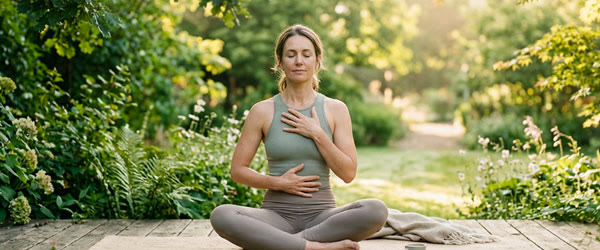
- Sit comfortably with your feet flat and your shoulders relaxed. Place one hand on your chest and one on your belly, so you can feel which one moves when you breathe.
- Breathe in through your nose for four counts, feeling the belly hand rise while the chest hand stays mostly still. Belly breathing activates the calm response far better than shallow chest breathing.
- Hold the breath gently for two counts, without strain or force. The hold is a pause, not a test, so keep it short and comfortable.
- Breathe out slowly through your mouth for six counts, as if you were cooling a cup of tea. The long out-breath is the part that slows the heart rate, so give it the full six counts even when it feels slow.
- Repeat the cycle four times, then return to normal breathing and notice how your body feels. Four cycles take about two minutes, which is enough to feel a real shift.
- Begin your chosen project while keeping the same slow rhythm, letting the hands move on the out-breath. The project gives the breath a job, and the breath gives the project a pace.
- Work for fifteen minutes, then stop, stretch gently, and write one line about how you feel. Ending on time protects the routine, because a session that drags on becomes a chore instead of a refuge.
Common Mistakes to Avoid
The first mistake is choosing a project that is secretly stressful. A complex knitting pattern with counting, a detailed painting with a deadline, or a journal with strict rules can raise anxiety instead of lowering it. If a project makes your jaw tighten, it is the wrong project for calm. Choose something so simple that success is nearly guaranteed, and let the ease itself be the medicine. Friends who try projects that soothe anxiety and teach steadier breathing after seeing your results usually ask for this exact checklist.
A second mistake is forcing the breathing. Holding the breath too long, breathing too deeply, or counting rigidly can cause dizziness and more anxiety, which defeats the purpose. Keep the counts gentle, skip the hold if it feels uncomfortable, and let the breath find its own slow rhythm. The numbers are a guide, not a law, and comfort always comes first.
A third mistake is practising only on bad days. A routine built only for crises feels like medicine, and the mind resists medicine. Practise on good days too, when the stakes are low, so the calm response becomes strong before you need it. Then, on a hard day, the routine is already familiar, and the body knows what to do.
A fourth mistake is judging the finished object. An uneven pot, a wobbly stitch, or a messy painting is not a failure; it is evidence that you spent twenty minutes breathing slowly. Put the object somewhere visible as a reminder of the calm, not as a test of skill. The value of the project is in the making, not in the result.
A fifth mistake is doing the project with a screen beside you. One notification can undo ten minutes of slow breathing, because the mind snaps back to urgency in a second. Put the phone in another room, or at least on silent and face down, for the whole session. Fifteen minutes of true quiet is worth more than an hour of half-distracted calm. If you feel stuck, return to the basics of projects that soothe anxiety and teach steadier breathing and rebuild from the step that last worked.
Best Tools for a Calmer Daily Practice
A simple paper journal is the most useful tool for this routine, because it holds both the project notes and the one-line feeling check after each session. Choose a notebook that feels pleasant to hold, keep a pen with it, and leave it open on the table as an invitation. Digital notes work too, but paper has no notifications, and that absence is a feature. Readers looking into projects that soothe anxiety and teach steadier breathing usually want clear steps, and that is exactly what this guide keeps in focus.
A kitchen timer or a small hourglass beats a phone alarm, because it measures the session without bringing the phone into the room. Set fifteen minutes, place the timer where you can see it, and let it mark the end of the session without any sound that startles. The gentle ending protects the calm you just built.
A basket for your project tools is a small investment with a large effect. Keep the yarn, the clay, the brushes, or the sketchbook in one visible basket, so starting takes seconds instead of a search through cupboards. A visible basket is a daily invitation, and invitations are what turn intentions into habits. By the end, projects that soothe anxiety and teach steadier breathing will feel less like a mystery and more like a routine you control.
Frequently Asked Questions
How long until I feel calmer from these projects?. Patience matters here, since projects that soothe anxiety and teach steadier breathing rewards small careful changes more than big rushed ones.
Most people notice a small shift after the first session, because slow breathing calms the body within minutes. A lasting change in everyday anxiety usually takes two to four weeks of daily practice, as the routine trains the body to settle faster. Keep the sessions short and daily, and judge the change after a month, not after a day. Save this page and revisit it after a week of practice with projects that soothe anxiety and teach steadier breathing to notice how far you have come.
Can these projects replace therapy or medication?. None of this needs special talent, because projects that soothe anxiety and teach steadier breathing is a skill built from small repeatable steps.
No. Calming projects are a helpful daily support, not a treatment for anxiety disorders. If anxiety interferes with sleep, work, or relationships, speak to a doctor or a therapist, who can offer proper assessment and care. Use these projects alongside professional help, not instead of it, and tell your clinician about the routine so it fits your overall care. Write down what worked today, since projects that soothe anxiety and teach steadier breathing becomes much easier once your own notes guide you.
What if I cannot sit still for fifteen minutes?. The honest secret is that projects that soothe anxiety and teach steadier breathing clicks into place for almost everyone around the second week.
Start with five minutes, or practise while walking slowly, which suits restless bodies better. The goal is a slower breath and a quieter mind, not perfect stillness. Walking, stretching, or rocking gently all count, as long as the breath stays slow and the attention stays on the present moment. Keep the process enjoyable, because projects that soothe anxiety and teach steadier breathing only sticks when it feels like progress rather than pressure.
Is it normal to feel more anxious at first?. Everything here comes back to one idea, that projects that soothe anxiety and teach steadier breathing works best when it stays simple and repeatable.
Yes, sometimes. Slowing down can make worried thoughts louder for a few minutes, because the noise of the day no longer covers them. This usually passes within the session. If it persists or feels overwhelming, shorten the session, open your eyes, and focus on the physical project in your hands until the feeling fades. That is the practical side of projects that soothe anxiety and teach steadier breathing that most people miss on their first try.
Can children use these projects too?. Keep notes as you go, because projects that soothe anxiety and teach steadier breathing improves quickly once you see what each change does.
Yes, with simple versions and adult company. Stitching a large cloth, shaping clay, or a slow walk with photo stops all work well for children, and the breathing counts can be shortened to three in and four out. Keep it playful, never forced, and let the child stop whenever they want. The habit of calm learned young lasts a lifetime. Small steady practice beats one long session whenever projects that soothe anxiety and teach steadier breathing is the goal.
Final Words
Steadier breathing is a skill, and skills grow with gentle daily practice. Choose one project, keep it slow and simple, and let calmer days build one quiet session at a time. If you feel stuck, return to the basics of projects that soothe anxiety and teach steadier breathing and rebuild from the step that last worked.
Begin tonight with five minutes and one slow project, and write a single line about how you feel afterwards. Small, honest steps repeated daily will do more for your calm than any grand plan, and the steadier breathing you build will be there whenever you need it. Friends who try projects that soothe anxiety and teach steadier breathing after seeing your results usually ask for this exact checklist.
Steadier breathing is a skill, and skills grow with gentle daily practice. Choose one project, keep it slow and simple, and let calmer days build one quiet session at a time. The examples above show projects that soothe anxiety and teach steadier breathing at its most approachable, even for complete beginners.