
Introduction
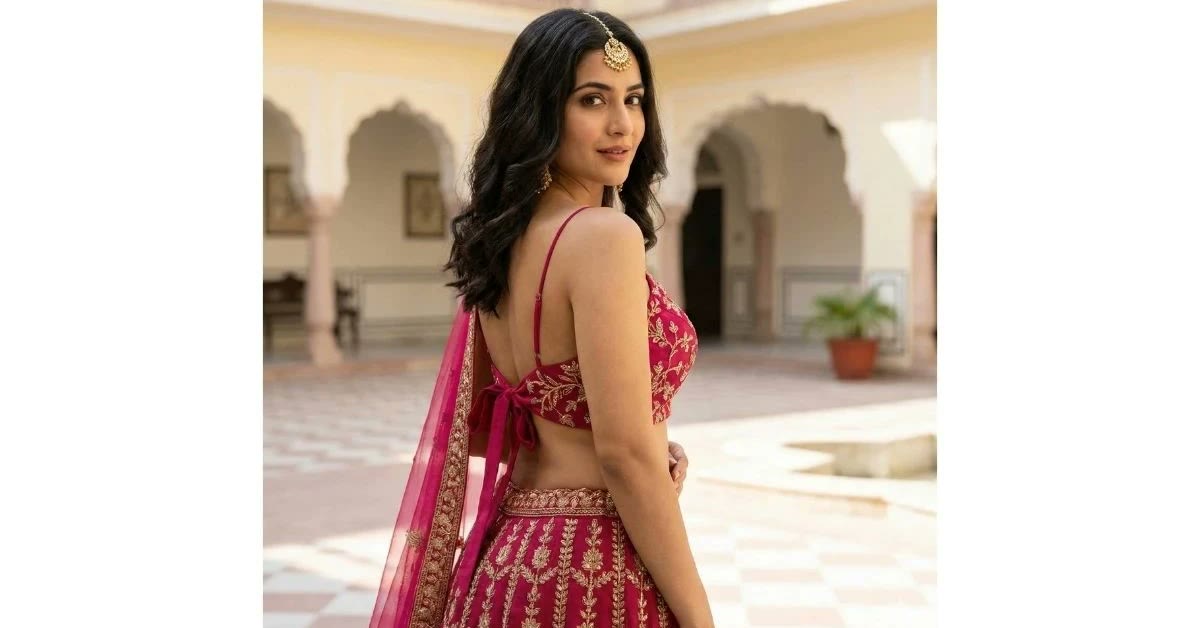
Traditional wear prompts for girls are trending because they celebrate fabric, colour, and grace in a single portrait. A saree, a lehenga, or a salwar suit, styled with soft light and careful detail, makes a photo feel festive and timeless at once. This new trending beautiful traditional wear prompt for girls chatgpt gemini works best with a clear, front-facing photo. Prompts like these make traditional wear look rich without a studio shoot.
The ideas here cover the full range, from saree to lehenga, and they work in both ChatGPT and Gemini. The key is describing the fabric honestly: the drape, the embroidery, the jewellery, and the way the light catches it all. You can restyle any plain photo into traditional wear within seconds.
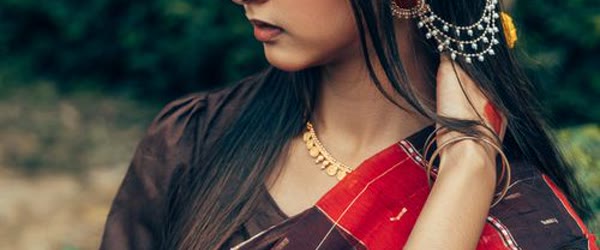
Table of Contents
- How to Use These Traditional Wear Prompts for Girls
- Quick Take
- Pro Tips for New Trending Beautiful Traditional Wear Prompt For Girls Chatgpt Gemini
- Related Ideas to Explore
- How to Customize These Prompts
- Step-by-Step Guide
- Common Mistakes to Avoid
- Best Tools for This Edit
- Frequently Asked Questions
- Final Words
How to Use These Traditional Wear Prompts for Girls
- Pick the outfit first. Name the saree, lehenga, or suit, along with its colour and fabric, so the AI has a clear starting point.
- Add the setting and light. A courtyard, a temple corridor, or a festive room, lit softly, gives the portrait its atmosphere.
- Refine the details. If the embroidery looks flat, ask for richer texture. If the colours feel dull, ask for warmer, festive tones.
Quick Take
Think of this as a set of traditional-wear portrait ideas for girls, from saree to lehenga. A good prompt names the outfit, the fabric, and the colours, then adds the setting and light, such as a sunlit courtyard or a festive evening with warm lamps. Jewellery should be described too, since jhumkas, bangles, and a bindi complete the look. Keep the pose graceful and the expression calm, and ask for realistic fabric folds and natural skin tones, so the portrait feels like a real celebration rather than a costume.
Pro Tips for New Trending Beautiful Traditional Wear Prompt For Girls Chatgpt Gemini
- Describe the drape. Saying how the saree falls or how the lehenga flares helps the AI shape the outfit realistically.
- Keep jewellery proportionate. One or two statement pieces read as elegant, while too many compete for attention.
- Match the background to the outfit. Warm, simple settings flatter rich fabrics better than busy, colourful ones.
Related Ideas to Explore
Traditional wear offers endless variety — every outfit, fabric, and occasion is a different portrait waiting to happen. The ideas below extend the main collection into a fuller set, each one describing a complete prompt idea in prose: the outfit, the fabric, the jewellery, the setting, and the light. Keep the discipline from the main article in every idea — graceful pose, calm expression, realistic fabric folds, natural skin tones — and the set will feel like a real celebration rather than a costume catalogue.
Bridal saree portrait. A portrait in a rich red or maroon bridal saree with gold embroidery, traditional bridal jewellery, and a softly lit indoor setting. The prompt idea centres on the embroidery and the jewellery: the detail in the gold work, the drape of the fabric, and the calm, joyful expression. It suits wedding and engagement posts. Choose traditional wear with detailed embroidery for a premium festive look.
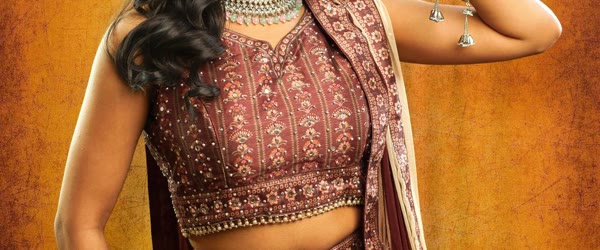
Festive lehenga portrait. A portrait in a vibrant lehenga with mirror work, bangles, and jhumkas, set against a festive evening with warm lamps. The prompt idea is about colour and movement: the flare of the skirt, the sparkle of the mirror work, and the warm glow of the lamps. It suits Diwali, Navratri, and sangeet posts.
Elegant Anarkali portrait. A portrait in a flowing Anarkali suit in soft pastel shades, with delicate embroidery and a sunlit courtyard behind. The prompt idea is grace in motion: the flow of the fabric, the soft light, and a gentle twirl or walking pose. It suits Eid, garden parties, and daytime celebrations. The right prompt keeps traditional wear colours true to the original fabric.
Handloom saree portrait. A portrait in a handloom saree — Chanderi, Banarasi, or Kanjivaram — with the weave itself as the star. The prompt idea names the weave, the border, and the texture, and asks for close, realistic fabric detail. It suits posts celebrating craft, heritage, and slow fashion.
Sharara celebration portrait. A portrait in a sharara set with a short kurti, wide flowing pants, and statement jewellery, in a decorated celebration hall. The prompt idea is about festive energy: the wide silhouette, the bright colours, and a joyful, confident pose. It suits mehndi and sangeet celebrations. Try traditional wear in deep maroon or royal blue for evening portraits.
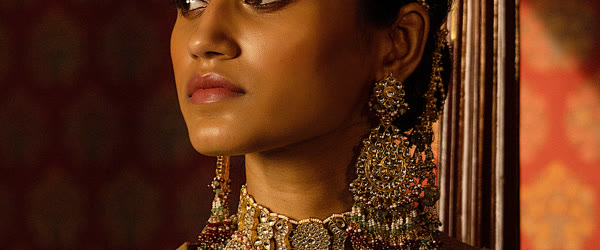
Temple jewellery portrait. A portrait focused on temple jewellery — jhumkas, a nath, layered necklaces — with a silk saree and a temple-inspired backdrop. The prompt idea treats the jewellery as the subject and the portrait as its frame: close detail, warm light, and a serene expression. It suits jewellery features and cultural posts. These edits suit traditional wear for festivals, weddings, and family functions.
How to Customize These Prompts
Customizing a traditional-wear prompt means naming three things precisely: the outfit, the fabric, and the jewellery. Vague words like “traditional dress” let the AI invent a generic costume that mixes regions and eras, while specific words — “red Banarasi saree with gold zari border, jhumkas, bangles, bindi” — produce a portrait that looks researched and real. Specificity is respect as much as it is technique.
Start with the outfit, naming the garment, the colour, and the occasion it suits. A bridal saree and a daytime Anarkali are different garments with different drapes, and the prompt must know which one it is rendering. Add the drape or silhouette in one phrase — “draped over the shoulder,” “flowing A-line cut” — so the shape reads correctly. Ask the tool to keep jewellery matched with the traditional wear style.
Next, describe the fabric and its behaviour. Fabric is the hardest thing for AI to fake, and the words you choose decide whether it drapes or floats. “Silk with natural folds,” “flowing georgette,” “crisp cotton with structure” each produce a different fall. Ask for “realistic fabric folds” in every version, and name the texture — the sheen of silk, the matte of cotton, the sparkle of mirror work — so the material feels tangible.
Then add the jewellery as a set, not an afterthought. Jhumkas, bangles, a bindi, a necklace: name each piece, keep the set coherent with the outfit, and avoid mixing styles that would never be worn together. Jewellery detail is where viewers judge authenticity, so give it the same care as the outfit itself. A soft background makes traditional wear stand out in the final image.
Finally, set the pose and the light to the occasion. Graceful, calm poses suit traditional portraits; the expression should be composed and warm rather than dramatic. Soft, warm light — sunlit courtyard, festive lamps, gentle window light — flatters both the fabric and the face. Harsh light flattens embroidery and hardens expressions, so keep the light soft in every version.
Step-by-Step Guide
- Choose the outfit and occasion first. Decide whether the portrait is bridal, festive, or daytime, and name the exact garment. The occasion decides the colours, the jewellery, and the setting.
- Describe the outfit, fabric, and jewellery in that order. One sentence for the garment and colour, one for the fabric and drape, one for the jewellery set. This order mirrors how a viewer reads a portrait.
- Name the setting and the light together. A sunlit courtyard, a festive hall with lamps, or a temple-inspired backdrop each brings its own light; pair them deliberately so the scene is physically coherent.
- Generate the first version and check the fabric first. Do the folds fall naturally? Does the embroidery read as detail rather than pattern noise? Fabric errors are the most visible failures in traditional-wear portraits.
- Refine the jewellery and the drape in follow-ups. If the jhumkas look wrong, name them again with more detail. If the saree drape looks stiff, ask for “softer, more natural folds.” One refinement per message keeps the edit controlled.
- Build the set across outfits. Once one outfit works, try a second — lehenga, Anarkali, handloom — keeping the pose and light language identical so the portraits read as one collection.
- Check the portraits at post size and full size. At post size, the outfit colour and the face must read instantly. At full size, the embroidery and jewellery detail must hold up. If either check fails, adjust the detail words.
- Save the prompt family with the images. Record the outfit, fabric, and jewellery wording for each keeper, so the collection grows without repeating mistakes.
Common Mistakes to Avoid
The most common mistake is vague outfit description. “Traditional dress” produces a generic costume that mixes a saree drape with a lehenga silhouette and jewellery from three regions. Name the garment, the weave, and the region’s style, and the portrait gains the authenticity viewers recognize instantly. Many creators pair traditional wear with natural makeup for a realistic result.
Another mistake is ignoring fabric behaviour. A prompt that asks for “beautiful fabric” without naming the material gets stiff, weightless cloth that floats rather than drapes. Name the fabric and ask for realistic folds, and the garment will sit on the body the way real cloth does. You can generate several traditional wear variations from a single photo.
A third mistake is overloading the jewellery. Every piece in the box — necklace, earrings, nose ring, headpiece, twenty bangles — in one portrait produces clutter that hides the face. Choose a coherent set of three or four pieces that belong together, and let the face stay the subject.
A fourth mistake is a stiff, formal pose that reads as a mannequin. Traditional portraits need grace, not rigidity: a slight turn, a gentle hand position, a relaxed shoulder. Ask for a “graceful, natural pose” rather than a “perfect pose,” and the portrait will feel alive. Traditional wear looks best when the fabric texture stays sharp and detailed.
A fifth mistake is harsh lighting. Direct flash or midday sun flattens embroidery, blows out gold work, and hardens the expression. Soft, warm, directional light — window, courtyard sun, festival lamps — is what makes traditional fabrics glow. Keep the light soft in every version.
Best Tools for This Edit
ChatGPT’s image tools are a strong first choice for traditional-wear portraits, because they render fabric detail, embroidery, and jewellery with confidence and handle the full-body drape of sarees and lehengas well. They are especially good at the festive versions, where colour and ornament need to be rich without turning garish. Check the drape and the jewellery on the first result, and refine with specific material words. Save your best traditional wear results for festive profile pictures.
Google Gemini is a good alternative when the source photo must stay recognisable and the edit should feel like the same person in a new outfit. Its skin tones stay natural and its fabric rendering is clean, though the drape may come out simpler than in ChatGPT. If the outfit looks too plain, add fabric and embroidery detail words in the follow-up.
CapCut is the finishing tool for turning traditional portraits into reels and festival stories. Its slow-zoom, text, and music tools build graceful reveal videos from still portraits, and its crop tools reframe the portrait for stories and feeds. Add all names and occasion text in CapCut, since AI-rendered lettering is unreliable and a misspelled greeting on a festival post is easily avoided. These prompts handle traditional wear for both close portraits and full shots.
Frequently Asked Questions
Can these prompts change my outfit in an existing photo? Yes, and that is their main use: the AI re-renders the person in the described outfit while keeping the face unchanged. Start from a clear, front-facing photo, describe the outfit precisely, and check the drape and jewellery on the first result. Pick traditional wear shades that match the season and the occasion.
How do I get the saree drape right? Name the drape explicitly — “draped over the left shoulder with pleats at the waist” — and ask for “natural, realistic folds.” If the drape still looks wrong, reference a photo of the drape style and ask the AI to follow it.
Will the jewellery look realistic? It can, when named piece by piece. Generic “jewellery” produces generic blobs; “gold jhumkas, red bangles, a small bindi” produces recognisable pieces. Check the jewellery at full size, since small errors show up there first. A prompt that mentions traditional wear by name gives more accurate outfits.
Can I use these prompts for a wedding invitation photo? Yes, and the bridal and festive versions suit invitations well. Generate the portrait, then add the invitation text in a design app — never ask the AI to render names or dates, since AI lettering is unreliable.
How do I keep a series of traditional portraits consistent? Fix the pose language and the light phrase across the series, and change only the outfit and setting. A shared prompt skeleton — same pose, same finish — makes different outfits read as one collection. Share your traditional wear edits with proper captions for better reach.
Final Words
Name the outfit, honour the fabric, complete the jewellery, and keep the pose graceful. A traditional-wear portrait is a celebration rendered in cloth and light, and the details are what make it real.
Build the collection outfit by outfit, save the wording that works, and the next celebration will start from a proven set. Tradition, rendered with care, never goes out of style. Compare two traditional wear outputs and keep the one with cleaner details.
Rich fabric, soft light, and a graceful pose are all these portraits need. Pick your outfit, write the prompt with care, and enjoy a portrait that feels festive and timeless.