
Introduction
The bholenath prompt creates a serene portrait of Lord Shiva meditating calmly on a mountain peak. The Ganga flows nearby, a crescent moon glows above, and a soft blue aura wraps the scene in peace. Mist and divine light complete a mood that feels deeply spiritual and still. Many creators rely on a bholenath prompt like this to keep their feed looking fresh. Many creators rely on a bholenath prompt like this to keep their feed looking fresh. Many devotees begin with a simple bholenath prompt and then adjust the colors, light, and background until the portrait feels calm and divine.
This prompt is loved for Mahashivratri, Shravan, and daily devotional posts. The meditating Shiva represents calm strength, and the image works beautifully as a wallpaper or prayer post. The blue tones keep the portrait cool, quiet, and holy. Bholenath is a beloved name of Shiva, and the prompt keeps that calm, divine mood in every frame. You can also share this bholenath prompt with friends who want the same trending look.
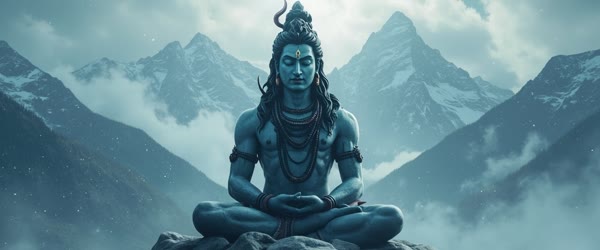
Table of Contents
How to Use This Bholenath Prompt
- Paste the prompt into ChatGPT or Gemini and generate the portrait in vertical format for a phone wallpaper.
- If the aura looks too strong, ask for a softer blue glow that keeps the face and form clearly visible.
- Save the best version and share it as a devotional post or morning prayer image.
Copy-Paste Prompt
Create a divine portrait of Bholenath, Lord Shiva, meditating calmly on a mountain peak with the Ganga flowing nearby, a crescent moon glowing, and a serene blue aura around him. Add mist, soft divine light, and a deeply peaceful mood. Ultra-realistic detail, 4K, cinematic lighting.
Pro Tips
- Ask for a night or dawn sky. The crescent moon glows best against a dark blue background.
- Keep the Ganga as a gentle stream. A raging river would break the calm meditation mood.
- Use the portrait on Mondays, the day of Shiva, when devotional content reaches the most devotees.
More Prompts to Try
The meditation portrait is only one face of Bholenath. Shiva is also the dancer, the ascetic, the family man, and the destroyer of ego, and each form gives a different devotional image. The variations below stay within the serene, respectful mood of the original while exploring those forms. Every prompt is complete and ready to paste. If the first result feels flat, adjust the bholenath prompt slightly and run it again.
Shiva Under the Waterfall Every photo responds a little differently, so this bholenath prompt rewards a bit of experimenting.
Water is Shiva’s element, and a waterfall backdrop makes the meditation feel alive. The falling water adds motion while the stillness of the figure holds the center. If the first result feels flat, adjust the bholenath prompt slightly and run it again. If the first result looks flat, add details about soft temple light and gentle mist to your bholenath prompt and generate the image again.
Create a divine portrait of Bholenath meditating beneath a gentle waterfall in a Himalayan forest, water streaming around him as he sits perfectly still, a crescent moon glowing above, and a serene blue aura in the mist. Add lush green rocks, soft divine light, and a deeply peaceful mood. Ultra-realistic detail, 4K, cinematic lighting.
Trishul and Damru Blessing
This version adds Shiva’s sacred symbols. The trishul and damru instantly identify the portrait and make it powerful for festival posts.
Create a majestic portrait of Bholenath standing calmly with a trishul in one hand and a damru in the other, a snake resting gently around his neck, the crescent moon glowing, and the Ganga flowing from his hair. Set the scene on a mountain peak at dawn with mist and a serene blue aura. Ultra-realistic detail, 4K, cinematic lighting.
Shiva Parvati Together
The divine couple is a beloved image for homes and weddings. This version keeps both figures serene and balanced, with neither overshadowing the other.
Create a divine portrait of Bholenath and Goddess Parvati seated together on a mountain peak, Shiva in meditation with a crescent moon and blue aura, Parvati beside him in a soft red saree with folded hands. Add the Ganga flowing nearby, mist, and golden dawn light. Keep the mood loving, peaceful, and sacred. Ultra-realistic detail, 4K, cinematic lighting.
Neelkanth Cosmic Form
The cosmic form suits Mahashivratri night posts. Stars, galaxies, and deep blue tones give the image a vast, timeless feeling.
Create a cosmic portrait of Bholenath meditating among the stars, his form glowing with a serene blue aura, the crescent moon above, and galaxies swirling gently behind him. Add drifting mist, soft divine light, and a mood of infinite calm and power. Ultra-realistic detail, 4K, cinematic lighting.
Kailash Dawn Darshan
This is the grand landscape version: the whole mountain of Kailash, the abode of Shiva, with the meditating figure small and humble before it.
Create a grand Kailash dawn scene with Bholenath meditating on a small rock in the foreground and the mighty snow peak of Mount Kailash rising behind, bathed in first golden light. Add prayer flags, morning mist, and a serene blue aura around the figure. Keep the mood awe-filled and devotional. Ultra-realistic detail, 4K, cinematic lighting.
Rudra Tandava in Gentle Form
Tandava is Shiva’s dance, but this version keeps it gentle: movement without anger, power held in perfect grace.
Create a graceful portrait of Bholenath in a gentle Tandava dance pose on a mountain peak at dusk, one foot raised, arms flowing, the crescent moon glowing, and a serene blue aura trailing his movement. Add mist, soft divine light, and a mood of joyful divine energy. Ultra-realistic detail, 4K, cinematic lighting.
How to Customize This Prompt
Devotional portraits reward thoughtful customization, because small symbolic details carry deep meaning. Start with the symbols. The crescent moon, the trishul, the damru, the snake, and the Ganga each say something about Shiva. You do not need all of them at once. Choose two or three that matter to you, name them clearly, and the portrait will feel focused instead of cluttered. A meditation image needs only the moon and the mist. A festival image can carry the trishul and damru proudly. Pair this bholenath prompt with a clean background and the final image will stand out.
The setting is the next choice. A mountain peak is classic and timeless. A forest waterfall feels alive and fresh. A temple courtyard feels communal and festive. A cosmic sky feels vast and philosophical. The setting should match the occasion: Kailash dawn for a wallpaper, the aarti courtyard for a festival post, the waterfall for a calm personal image. Used well, this bholenath prompt can turn a simple photo into a scroll-stopping edit.
Color is deeply symbolic here. Blue is Shiva’s color: calm, infinite, and divine. Keep blue as the dominant tone in every variation, and let gold provide the accent light. Avoid introducing loud reds or greens that fight the blue aura, unless the variation specifically calls for Parvati’s red saree or forest green. A restrained palette keeps the portrait sacred. Pair this bholenath prompt with a clean background and the final image will stand out.
The figure’s posture carries the meaning. Seated meditation means peace and stillness. Standing with the trishul means protection and strength. The dance means joyful energy. Lying back or casual poses break the devotional mood entirely and should never be used for a deity portrait. Always describe the posture explicitly so the tool does not invent a casual one. A carefully written bholenath prompt usually mentions the trident, the crescent moon, and a peaceful Himalayan setting behind Lord Shiva.
Finally, think about scale. A large, close figure feels intimate, like darshan. A small figure before a vast mountain feels humble and awe-filled. Both are beautiful, but they serve different purposes. Name the scale you want: “close portrait” for intimacy, “wide scene with a small figure” for awe.
Step-by-Step Guide
Follow these steps to create a Bholenath portrait that is beautiful, accurate, and respectful enough to share widely. A strong bholenath prompt keeps the face natural while the rest of the scene gets the style. The best part of this bholenath prompt is how little setup it needs before you start. A strong bholenath prompt keeps the face natural while the rest of the scene gets the style.
- Set your intention first. Decide whether the image is for Mahashivratri, Shravan, a Monday post, or a personal wallpaper. The occasion shapes the symbols, the setting, and the caption, so choose it before you generate anything.
- Open ChatGPT or Gemini. Both render divine portraits well. Gemini tends to keep the figure anatomically clean, while ChatGPT produces richer blue auras and more dramatic light. Try Gemini first if extra limbs or distorted hands are a concern.
- Paste the full prompt. Include the moon, the Ganga, the aura, and the mood. Short prompts produce generic meditating figures; the symbolic details are what make the portrait unmistakably Shiva.
- Inspect the symbols carefully. Check the crescent moon, the trishul, the snake, and the hands. AI tools often garble sacred objects. If a symbol looks wrong, regenerate with that symbol described more simply, for example “a simple crescent moon above the head.”
- Check the hands and face. Divine portraits are shared widely, so errors are noticed. Zoom in on the hands, the face, and the neck. If anything looks distorted, regenerate rather than sharing. A clean image honors the subject.
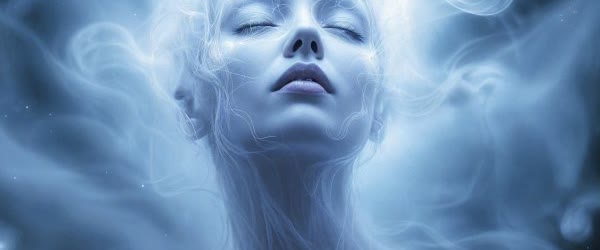
- Tune the aura. If the blue glow swallows the figure, ask for “a softer blue aura that keeps the face and form clearly visible.” If the image looks flat, ask for “a stronger serene blue glow around the figure.” One follow-up message usually fixes the balance.
- Generate a matching variation. Pair the meditation portrait with the Kailash dawn or the Shiva Parvati version. A matched pair gives you a Monday post and a festival post from one session, with a consistent style.
- Share with a simple prayer caption. “Om Namah Shivaya” or “Har Har Mahadev” is enough. Keep hashtags minimal and devotional. The image should lead, and the caption should bow to it.
Common Mistakes to Avoid
Mixing too many symbols. Moon, trishul, damru, snake, Ganga, tiger skin, third eye, and cosmic sky in one image is visual chaos. Sacred art is disciplined. Pick two or three symbols and let them breathe. What makes this bholenath prompt useful is that it works for beginners and regular editors alike.
Casual or playful poses. A deity portrait is not a fashion shoot. Reclining, winking, or dancing wildly breaks the reverence that devotees expect. Keep the posture meditative, standing, or gracefully dancing, and describe it in the prompt. With a good bholenath prompt, even a basic phone photo can look polished and professional.
Harsh or horror-like lighting. Shiva’s blue aura should feel serene, not spooky. Red backlighting, skull-filled backgrounds, or horror-movie fog turn a divine portrait into something frightening. Keep the light soft, blue, and golden, and the mist gentle. What makes this bholenath prompt useful is that it works for beginners and regular editors alike.
Wrong anatomy in the details. Extra fingers, a second face, or a snake that becomes a rope are common AI errors. They are especially noticeable in devotional images because people look closely. Always zoom in and regenerate until the figure is clean.
Overly commercial captions. Selling products or begging for follows on a sacred image feels disrespectful and performs poorly. If the image is devotional, let the caption be devotional. Promotion belongs on other posts.
Best Tools for This Edit
Gemini is the most reliable tool for divine portraits because it keeps figures clean and symbols recognizable. Its blue tones are naturally serene, and its night skies render stars and moonlight with photographic realism. For a portrait you plan to share widely, Gemini’s accuracy is worth starting with. Once you save this bholenath prompt, you can repeat the same look across a whole series of photos.
ChatGPT is the best choice for the emotional and artistic finish. Its aura effects are luminous, its dawn light is warm and cinematic, and it follows mood words like “deeply peaceful” with real sensitivity. Use ChatGPT when the image should move people, and refine with follow-up messages. Try this bholenath prompt with different lighting to see which version suits your style best.
Canva completes the workflow for sharing. It lets you add a clean “Om Namah Shivaya” line, a festival date, or a thin devotional border without altering the sacred image. Keep additions minimal, centered, and in a simple elegant font, and never cover the face or the moon.
Frequently Asked Questions
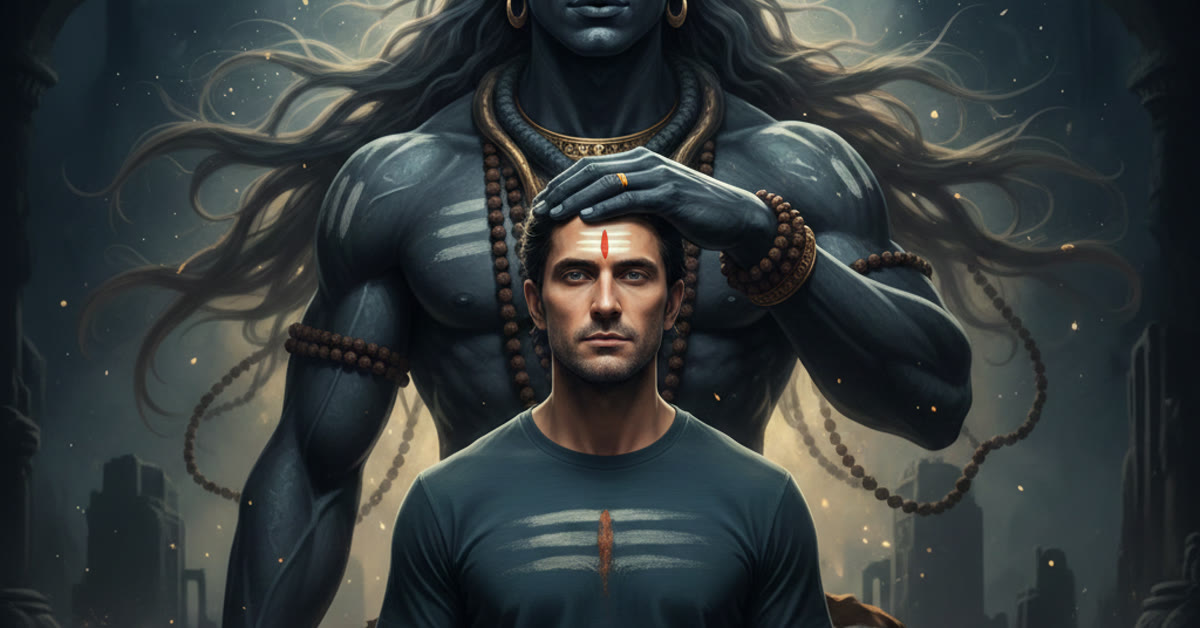
Can I put my own face on Shiva’s form? The real value of this bholenath prompt shows when you compare the before and after side by side.
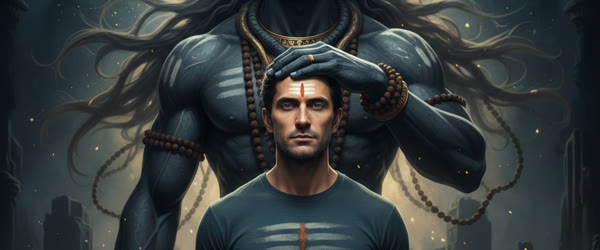
No, and you should not try. Placing your own face on a deity is widely considered disrespectful. Instead, generate Shiva as himself and share the portrait as devotion. If you want a personal image, generate yourself meditating before Shiva’s form, with folded hands, which is respectful and beautiful. A well-tested bholenath prompt saves time because you can reuse it for many photos.
Which day is best for posting a Bholenath image?
Monday is Shiva’s day and the most responsive. Mahashivratri and the Shravan Mondays reach the largest devotional audiences. Morning posts perform best, when devotees begin their day with prayer content.
Why does the snake keep looking like a rope?
Snakes are hard for image models at small sizes. Make the snake large and explicit: “a clearly visible cobra resting calmly around the neck, head raised beside the face.” If it still fails, drop the snake and keep the moon and trishul, which read clearly at any size.
Can I use this as a temple or home mandir poster?
Yes, with a high-resolution export. Ask for 4K, choose the orientation of your frame, and print on matte paper so the blue tones stay soft. Many families frame the Kailash dawn version for the prayer room.
What should I write in the caption?
Keep it short and prayerful. “Om Namah Shivaya” alone is perfect. You can add “Shubh Somvar” on Mondays or “Mahashivratri ki hardik shubhkamnayein” on the festival. Avoid jokes, slang, or promotional lines on a devotional post.
Final Words
Bholenath teaches that peace is power. Let this portrait bring a moment of stillness to your day. Keep it on your lock screen, share it on Mondays, and let the blue calm remind you to breathe before the week begins. Try the waterfall meditation for quiet mornings, the Kailash dawn for your wallpaper, and the Shiva Parvati portrait for festivals, and let each one deepen the same simple practice: pause, breathe, and remember what is sacred. For the cleanest output, run this bholenath prompt on a sharp, well-lit source photo. This bholenath prompt is a smart starting point if you want consistent results every time.