Introduction
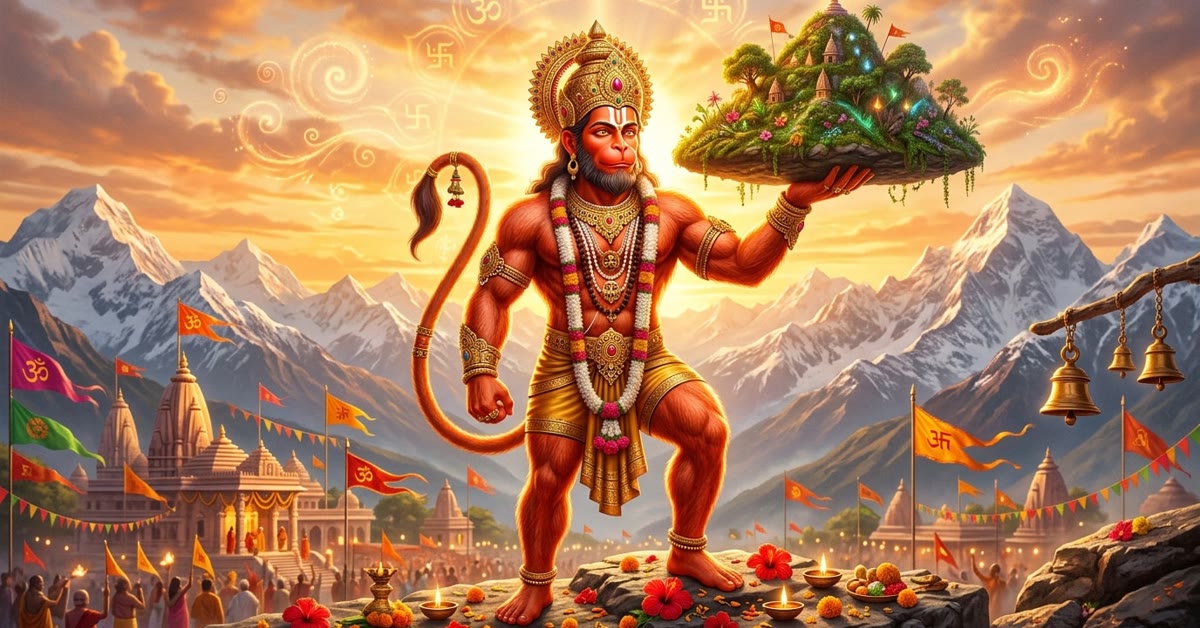
Hanuman Jayanti photo prompts should feel peaceful and reverent. The festival honours strength guided by devotion, so the portraits work best with prayerful poses, temple light, and warm, sacred colours rather than loud effects. Hanuman Jayanti is celebrated with prayers, fasting and temple visits.
The prompt below places the subject in traditional attire, hands folded, before a glowing temple backdrop, with marigold garlands and soft diya light. It is made for devotees who want a feed post that reflects the devotion of the day.
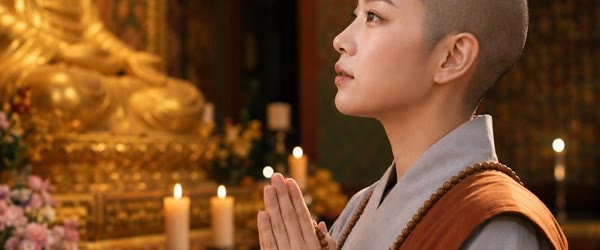
Table of Contents
How to Use These Hanuman Jayanti Photo Prompts
- Choose a calm, respectful photo. A front-facing portrait with a gentle expression gives the devotional edit a sincere base.
- Paste the prompt with your photo. Keep the wording as written for the first result, so the temple light and saffron tones balance together.
- Adjust the glow. If the diya light feels too strong, ask for a softer flame. If the haze feels heavy, ask for a clearer finish.
Copy-Paste Prompt
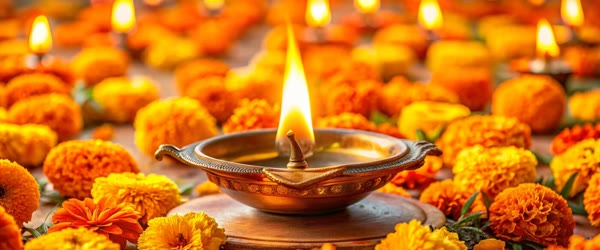
Create a devotional Hanuman Jayanti portrait with the subject in traditional attire, hands folded in prayer before a glowing temple backdrop. Add marigold garlands, warm diya light, soft incense haze, and saffron tones. Keep the mood peaceful and reverent, with ultra-realistic detail, 4K clarity, and cinematic lighting.
Pro Tips
- Keep the pose simple. Folded hands and a calm gaze read as devotion, while dramatic poses distract from it.
- Use saffron and gold sparingly. Warm sacred tones work best as accents against a calm, darker backdrop.
- Pair the post with a short prayer line. A single devotional line adds meaning without cluttering the image.
More Prompts to Try
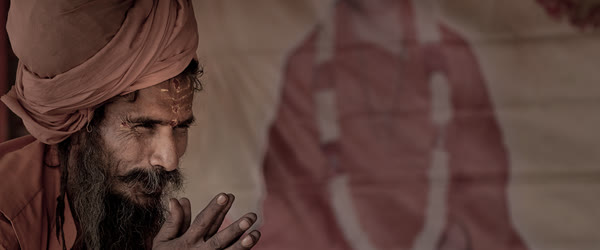
A devotional portrait set should cover the many ways devotees observe the day: the temple visit, the home prayer, the festive gathering, and the quiet moment of reflection. The variations below are original prompts in the same devotional language — traditional attire, temple light, marigold garlands, diya flame, saffron tones — each one changing the scene while keeping the mood peaceful and reverent. On Hanuman Jayanti, devotees gather early in the morning for aarti.
Temple courtyard portrait. Use this for a portrait in a temple courtyard with morning light and flower sellers nearby.
Create a devotional Hanuman Jayanti portrait with the subject in traditional attire, standing in a temple courtyard with marigold garlands and soft morning light. Add warm diya glow, gentle incense haze, and saffron tones. Keep the mood peaceful and reverent, with ultra-realistic detail, 4K clarity, and cinematic lighting.
Home prayer portrait. Use this for a quiet home-prayer portrait with a small altar and lamp light. Families share sweets and flowers during Hanuman Jayanti celebrations.
Create a devotional Hanuman Jayanti portrait with the subject in traditional attire, hands folded before a small home altar with a glowing diya. Add marigold garlands, warm lamp light, soft incense haze, and saffron tones. Keep the mood peaceful and reverent, with ultra-realistic detail, 4K clarity, and cinematic lighting.
Festival procession portrait. Use this for a portrait amid a festive procession with flags and flower showers.
Create a devotional Hanuman Jayanti portrait with the subject in traditional attire, walking in a festive procession with saffron flags and falling flower petals. Add marigold garlands, warm sunlight, and joyful devotion. Keep the mood peaceful and reverent, with ultra-realistic detail, 4K clarity, and cinematic lighting.
Evening aarti portrait. Use this for an evening portrait lit by aarti flames and rows of diyas. Many temples hold special processions on Hanuman Jayanti every year.
Create a devotional Hanuman Jayanti portrait with the subject in traditional attire, holding an aarti plate with flames, before a glowing temple backdrop at dusk. Add marigold garlands, warm diya light, soft incense haze, and saffron tones. Keep the mood peaceful and reverent, with ultra-realistic detail, 4K clarity, and cinematic lighting.
Meditation portrait. Use this for a calm meditation portrait in a quiet garden with temple bells implied by the stillness.
Create a devotional Hanuman Jayanti portrait with the subject in traditional attire, seated in meditation in a quiet garden with soft morning light. Add marigold flowers, gentle haze, and saffron tones. Keep the mood peaceful and reverent, with ultra-realistic detail, 4K clarity, and cinematic lighting.
Family celebration portrait. Use this for a portrait of the subject with family in festive attire, sharing prasad and smiles. Devotional songs fill the streets on the morning of Hanuman Jayanti.
Create a devotional Hanuman Jayanti portrait with the subject in traditional attire, celebrating with family in festive dress before a decorated home shrine. Add marigold garlands, warm diya light, soft incense haze, and saffron tones. Keep the mood peaceful and joyful, with ultra-realistic detail, 4K clarity, and cinematic lighting.
How to Customize This Prompt
Customizing a devotional prompt means adjusting the scene while protecting the reverence. The fixed elements are the traditional attire, the folded hands or prayerful pose, the temple light, the marigold garlands, the diya flame, and the saffron tones. The variable elements are the specific setting and the time of day. Change the setting, keep the reverence, and every version will feel appropriate for the occasion. The best hanuman jayanti photo prompts keep the temple setting calm and respectful.
Start with the setting, choosing from places that carry devotional meaning: a temple, a home altar, a courtyard, a procession route, or a quiet garden. Name the setting concretely, with one sensory detail — “incense haze in the morning air,” “rows of glowing diyas” — so the scene feels real rather than generic. Grand, fantastic temples cheapen a devotional image; simple, real ones dignify it.
Next, adjust the attire and the pose together. Traditional attire should be named specifically — kurta, dhoti, saree, with colours — and the pose should stay prayerful: folded hands, a bowed head, a calm gaze. Avoid casual poses, sunglasses, and modern streetwear in a devotional portrait, since they clash with the mood at every level. Children enjoy the festive decorations prepared for Hanuman Jayanti.
Then set the light for the time of day. Soft morning light suits temple visits, warm lamp light suits home prayer, and flame light suits evening aarti. Name the light source plainly and keep it warm. Harsh light, neon light, and dramatic shadows all push the mood away from devotion and toward spectacle.
Finally, keep the wording simple and respectful in every version. Avoid superlatives, exclamation, and playful language in the prompt, because the prompt’s tone leaks into the image’s mood. Plain, calm words produce plain, calm images, and that restraint is itself a form of devotion. People exchange warm wishes with neighbours on Hanuman Jayanti.
Step-by-Step Guide
- Choose the devotional scene that fits your post. A temple portrait suits the main post, a home prayer suits a personal post, and an evening aarti suits the closing post of the day.
- Pick a respectful source photo. A calm, front-facing portrait with a composed expression adapts best. Avoid casual selfies, sunglasses, and playful poses, which fight the reverent mood.
- Write the prompt around attire, pose, setting, and light. Name the traditional attire, the prayerful pose, the temple setting, and the warm light, and include the marigold and saffron elements.
- Generate the first version and judge the tone before the details. Ask whether the image feels peaceful and reverent at a glance. If the mood is right, refine the details; if it is wrong, rewrite the prompt rather than patching the image.
- Refine one element at a time. Adjust the garlands, then the light, then the background, checking the tone after each change. Stop as soon as the image feels right; over-refining a devotional image often adds decoration that cheapens it.
- Check the image at the size it will be shared. Festival posts are often viewed as small thumbnails, so confirm the portrait reads clearly and the saffron tones stay warm and calm at small size.
- Add the greeting separately, in your own words. Keep it respectful and brief, and add all text in a posting or design tool rather than asking the AI to render lettering, which is unreliable.
- Save the prompt with the finished portrait. A proven devotional prompt, reused with care each festival, keeps the observance consistent and spares you rebuilding it from scratch.
Common Mistakes to Avoid
The most serious mistake is using playful effects or party colours. Bright confetti, neon grades, cartoon styles, and casual poses all clash with a devotional occasion, no matter how technically good the image is. Keep the palette saffron and warm, the pose prayerful, and the effects minimal.
Another mistake is over-decorating the scene. A temple, garlands, flags, crowds, fireworks, and glowing effects in one image produce clutter, not devotion. Choose two or three meaningful elements — garlands and diya light, for example — and leave the rest of the frame quiet. Empty space is part of the reverence. Simple hanuman jayanti photo prompts with soft morning light usually give the cleanest results. Orange flags and marigold garlands are common sights on Hanuman Jayanti.
A third mistake is using a casual source photo. A beach selfie or a party photo carries its original mood into the edit, and no prompt fully erases it. Start with the most composed photo available, even if it is older, and the portrait will feel grounded.
A fourth mistake is asking for fantasy effects. Glowing halos, divine beams, and floating divine light turn a devotional portrait into a fantasy poster and break the realism that gives it sincerity. Keep the light natural — morning sun, lamp light, diya flame — and let the real details carry the emotion. Reading the Hanuman Chalisa is a cherished Hanuman Jayanti tradition.
A fifth mistake is rushing the greeting. A reverent image paired with a careless caption undermines itself. Write the greeting slowly, check names and festival details, and keep it brief. The image honours the occasion; the caption should do the same.
Best Tools for This Edit
Google Gemini is a strong first choice for devotional portraits, because it preserves the source face faithfully and renders warm temple light and natural skin tones cleanly. Its restraint suits the occasion: it enhances rather than reinvents, which is exactly what a sincere devotional image needs. Use Gemini when the source photo is a real portrait of a devotee. Community feasts are organised in many towns for Hanuman Jayanti.
ChatGPT’s image tools are useful when the portrait is a scene rather than a single face — a temple courtyard, a procession, a decorated shrine. They build environments confidently and handle the saffron palette well. Check the result for fantasy drift, and pull back any glowing or exaggerated effects with a follow-up asking for a natural, realistic finish.
Canva is the right finishing tool for festival posts. Its text tools let you add the festival greeting in a clean, dignified typeface, and its templates keep the layout calm and centred. Add all lettering in Canva rather than in the AI tool, since AI-rendered text is unreliable and a misspelled greeting on a devotional post is a serious error.
Frequently Asked Questions
Is it appropriate to use AI images for a religious festival? Yes, when the image is respectful and the intent is devotion. Keep the portrait dignified, avoid playful effects, and be honest if asked: the image is an AI-assisted tribute. What matters is the sincerity in the image and the greeting, not the tool that made it. A calm temple backdrop suits Hanuman Jayanti portraits beautifully.
Should the portrait show the deity or the devotee? Both are common. A portrait of the devotee in prayer suits personal posts; a scene centred on the deity suits organizational posts. Whichever you choose, keep the treatment reverent and the imagery faithful — never distort a sacred figure for effect.
What colours are appropriate for Hanuman Jayanti? Saffron, orange, and warm gold are traditional, with marigold flowers as the floral accent. Avoid neon grades, party palettes, and rainbow effects, which clash with the devotional tone.
Can I post more than one devotional image in a day? Yes, and a small series works well: a morning temple portrait, a midday home prayer, and an evening aarti. Keep the palette and tone consistent across the series so the day reads as one observance.
How do I write a respectful festival greeting? Keep it brief, warm, and traditional. Name the festival, offer a simple blessing in one or two plain sentences, and avoid slang and excessive hashtags. Read the greeting aloud once to hear whether it sounds sincere.
Final Words
Traditional attire, folded hands, temple light, and saffron tones are all a devotional portrait needs. Keep the wording simple and the mood reverent, and the image will honour the occasion on its own.
Build the set once, hold the palette warm and the light soft, and reuse the proven prompts each festival. A consistent, sincere tribute is the best way to mark the day, online and off.
Prayer, temple light, and warm saffron tones are all this portrait needs. Create it with devotion, and share it with peace.
Share the portrait early on the festival morning, when devotees are scrolling for blessings and the post can set the tone for their day. Pair it with a single prayer line rather than a long message, since a quiet caption suits the reverent mood. If you make one for family members, keep the same temple backdrop across all of them, so the set feels like a shared prayer. Save a copy without any text overlay, so the portrait can be reused for prints or family groups later.
Leave a Reply